
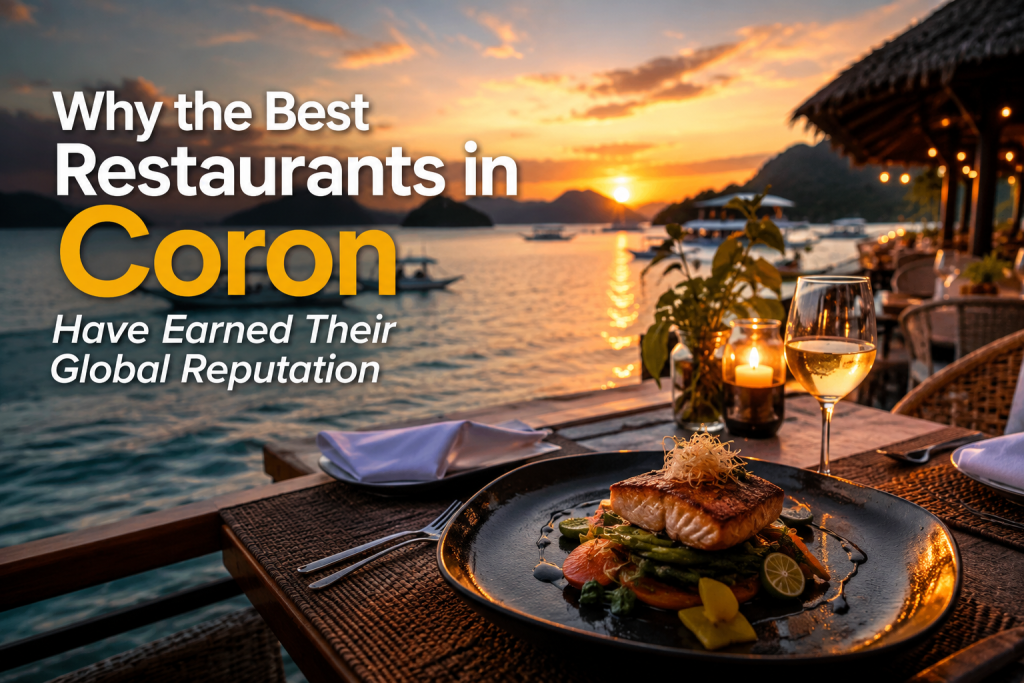
The best restaurants in Coron have quietly but confidently built a reputation that extends far beyond the island’s shores. Visitors consistently report that the culinary scene in Coron rivals its natural wonders.
This article explores in depth why the best restaurants in Coron are famous, examining the unique combination of local ingredients, cultural heritage, exceptional service, and unforgettable ambiance that sets them apart from typical resort or tourist dining experiences.
Table of Contents
ToggleThe Unique Ingredients That Define the Best Restaurants in Coron
One of the primary reasons the best restaurants in Coron have achieved fame is the extraordinary quality and uniqueness of the ingredients available in the region. Unlike metropolitan dining scenes that rely on imported goods and standardized supply chains, Coron benefits from an incredibly rich local ecosystem that provides flavors found nowhere else in the world. Chefs in Coron have learned to showcase these ingredients rather than mask them with heavy sauces or complex techniques.
Fresh Seafood Harvested Daily from Pristine Waters
The waters surrounding Coron are part of the Coral Triangle, the global epicenter of marine biodiversity. This means that the best restaurants in Coron have access to some of the freshest and most varied seafood on the planet. Fish such as lapu‑lapu (grouper), maya‑maya (red snapper), and tanigue (Spanish mackerel) are often caught within hours of being served. Squid, cuttlefish, shrimp, and crabs arrive at the kitchen doors still glistening from the sea.
Because the supply is so fresh, the best restaurants in Coron can prepare seafood with minimal seasoning, allowing the natural sweetness and brininess to shine. This direct farm‑to‑table (or sea‑to‑table) model is impossible to replicate in inland cities, giving Coron’s top dining spots an inherent advantage that diners quickly notice and remember.
Indigenous Crops and Heirloom Varieties
Beyond seafood, the agricultural bounty of Palawan plays a massive role in the fame of the best restaurants in Coron. The province grows heirloom varieties of rice, including upland rice with nutty and floral notes that accompany many meals. Root crops such as camote (sweet potato), cassava, and ube (purple yam) appear in both savory and sweet preparations.
Vegetables like pako (fiddlehead fern), kadyos (pigeon peas), and native eggplants are foraged or grown using traditional methods. The best restaurants in Coron work directly with local farmers and indigenous Tagbanua communities to source these ingredients, ensuring that each dish tells a story of the land. Diners who have traveled extensively often remark that eating at a top Coron restaurant feels like attending a lecture on local agro‑biodiversity, except the lesson is delicious.
The Influence of the Sea Salt and Coral Waters
An often‑overlooked factor behind the fame of the best restaurants in Coron is the very environment in which ingredients are produced. Fish and crustaceans from Coron’s waters grow in coral‑rich, highly oxygenated seas that impart a subtle minerality and clean finish.
Locally made sea salt, harvested by small cooperatives, contains trace elements from the surrounding reefs. Even the water used in cooking, when sourced from island wells, carries a unique profile. The best restaurants in Coron leverage these subtle terroir‑like differences to create dishes that taste fundamentally different from identical recipes prepared elsewhere. A simple grilled fish with salt and calamansi becomes an extraordinary experience when the fish, the salt, and the citrus all come from the same 50‑kilometer radius.
The Culinary Heritage That Shines Through the Best Restaurants in Coron
Another pillar of fame for the best restaurants in Coron is their deep connection to Filipino culinary traditions, particularly those of Palawan and the wider Visayan and Mindanao influences that have shaped the region. Rather than blindly copying international trends, these establishments have gained recognition by honoring, refining, and sometimes reinventing local classics.
The Tradition of Kinilaw and Raw Preparations
No discussion of the best restaurants in Coron would be complete without mentioning kinilaw, the Filipino ceviche. Unlike Peruvian or Mexican versions, kinilaw relies on vinegar (often coconut or palm vinegar) and native citrus like calamansi or dayap to denature fresh fish.
The best restaurants in Coron have elevated kinilaw to an art form, using just‑caught tuna, mahi‑mahi, or even当地 scallops. Some versions include grated coconut, ginger, bird’s eye chili, and diced cucumber for texture. Because the fish is never more than a few hours from the ocean, the texture remains firm and springy rather than mushy.
Diners who try kinilaw at the best restaurants in Coron frequently describe it as a revelation, far superior to similar dishes in Manila or Cebu. The fame of these restaurants spreads largely through word‑of‑mouth from travelers who claim they cannot eat kinilaw anywhere else afterward.
Grilling Over Charcoal and Local Hardwoods
Another signature technique that defines the best restaurants in Coron is open‑fire grilling using local hardwoods such as mangrove or ipil‑ipil. These woods impart a subtle smokiness that cannot be replicated by gas grills or electric ovens. Fish, pork belly, chicken, and even vegetables are grilled directly over glowing coals, often without heavy marinades.
The best restaurants in Coron have mastered the timing and heat control to produce food that is charred on the outside yet juicy within. This style of cooking is inherently social, as many of these restaurants feature open kitchens where diners can watch the fire.
The visual drama of sparks and smoke, combined with the primal aroma of wood smoke, creates a sensory memory that lingers long after the meal ends. Travel blogs and review sites consistently mention grilling as a highlight, cementing the fame of the best restaurants in Coron.
Coconut Milk and Slow Cooking Traditions
Coconut milk, or gata, is a cornerstone of Filipino cuisine, and the best restaurants in Coron use it with exceptional skill. Unlike restaurants in less humid climates that rely on canned coconut milk, Coron’s top establishments often make their own from freshly grated mature coconuts. The resulting liquid is richer, creamier, and more fragrant.
Dishes such as ginataan (stewed seafood or vegetables in coconut milk), laing (taro leaves cooked in coconut milk), and even coconut‑based curries appear on menus. Slow cooking over low heat allows the coconut milk to reduce and caramelize slightly, creating layers of sweetness and umami. The best restaurants in Coron are famous for turning humble ingredients like taro leaves or local snails into luxurious, complex dishes that rival any international curry.
The Role of Service and Hospitality in the Best Restaurants of Coron
Exceptional food alone does not create lasting fame. The best restaurants in Coron are equally renowned for their warm, genuine, and professional service. This aspect is particularly important in a tourism‑driven destination where visitors may already feel anxious about travel logistics, language barriers, or cultural differences.
Genuine Palawan Warmth Without Servility
Service at the best restaurants in Coron tends to strike a rare balance between warmth and professionalism. Staff members often remember returning customers’ names, dietary preferences, and even favorite dishes. However, this friendliness never feels forced or obsequious.
Instead, it mirrors the general culture of Palawan, where smiling and small talk are natural parts of daily life. Diners report that the servers at the best restaurants in Coron take time to explain unfamiliar ingredients, suggest portion sizes, and offer modifications for allergies or religious dietary needs.
This level of attentive but relaxed service transforms a meal into a genuine human connection, a quality that discerning travelers value highly and share widely in online reviews.
H3: Accommodating Dietary Restrictions Without Fuss
Another reason the best restaurants in Coron have become famous is their flexibility regarding dietary restrictions. Many travelers to Coron follow vegetarian, vegan, gluten‑free, or low‑FODMAP diets. In less sophisticated destinations, such requests might be met with confusion or limited options. However, the best restaurants in Coron have developed a reputation for cheerfully adapting dishes. A fish stew becomes a vegetable stew. A grilled meat platter gains a side of local mushrooms. Coconut milk replaces dairy without complaint. This adaptability is possible because these restaurants use fresh, simple ingredients and cook to order rather than relying on pre‑prepared components. Consequently, the best restaurants in Coron are often recommended in travel forums dedicated to celiac disease or plant‑based eating, expanding their fame far beyond general audiences.
Efficiency During Peak Tourist Seasons
Coron experiences high tourist volumes, especially from November to May. Managing crowds without sacrificing quality is a challenge that the best restaurants in Coron have largely mastered. Many use reservation systems, well‑trained floor managers, and staggered seating to prevent kitchen backlogs.
Wait times, when they occur, are communicated honestly and often softened with complimentary appetizers or refreshing drinks. The best restaurants in Coron understand that a hungry, tired traveler is a harsh critic. By maintaining efficient service even under pressure, these establishments ensure that visitors leave happy and post positive reviews. Efficiency might not sound glamorous, but it is a cornerstone of the fame enjoyed by the best restaurants in Coron.
Ambiance and Location – The Unfair Advantage of Coron’s Best Restaurants
Sometimes, a restaurant becomes famous not only because of what is on the plate but because of where that plate is eaten. The best restaurants in Coron benefit from some of the most spectacular real estate in the Philippines, ranging from waterfront promenades to hidden gardens and even floating platforms.
Sunset Dining Over Coron Bay
Perhaps the most iconic setting associated with the best restaurants in Coron is the view of the setting sun over Coron Bay. Several top establishments position their seating to face west, allowing diners to watch the sky turn orange, pink, and purple while enjoying their meal. The bay is dotted with islets and traditional outrigger boats (bangkas), creating a quintessentially Filipino vista.
The best restaurants in Coron have learned to time their dinner service precisely to this natural spectacle. Soft lighting, acoustic background music, and the sound of lapping water turn a simple meal of grilled fish and rice into a romantic, memorable event. Travelers frequently describe these sunsets as life‑changing, and they eagerly name‑drop the best restaurants in Coron where the experience occurred.
Elevated Mountain Views and Cool Breezes
Not all of the best restaurants in Coron rely on water views. Some are perched on hillsides or small elevations that capture cool breezes and panoramic views of limestone karsts. These locations offer a reprieve from the tropical heat, making lunch or early dinner far more pleasant.
The best restaurants in Coron that use elevated positions also tend to incorporate local wood, thatched roofs, and open walls that blur the line between indoors and outdoors. Diners can hear birds, see monitor lizards occasionally, and feel the wind while eating.
This connection to nature enhances the perception of freshness and authenticity. Visitors who have dined at these elevated spots often claim that the view alone justifies the price, a sentiment that spreads quickly on social media and travel platforms.
Intimate Garden Settings Away from the Road
For those who prioritize quiet conversation and privacy, several of the best restaurants in Coron are tucked away in lush tropical gardens, hidden from main roads and noise. Banana leaves, flowering bushes, and bamboo fences create intimate nooks.
The best restaurants in Coron that feature garden settings often limit tables and enforce low noise levels. The dappled light filtering through palm fronds, combined with the scent of jasmine or ylang‑ylang, creates a dining environment that feels exclusive and serene. Couples celebrating anniversaries or honeymooners especially appreciate these venues.
Because such settings are relatively rare in a busy tourist town, they become famous through word‑of‑mouth among travelers seeking romance. The best restaurants in Coron that invest in garden design reap the rewards of countless Instagram posts and glowing TripAdvisor reviews.
How the Best Restaurants in Coron Have Leveraged Social Media and Word of Mouth
Fame does not arise in a vacuum. The best restaurants in Coron have become household names among frequent travelers largely because they have mastered the art of shareability, both online and offline. In an era where a single TikTok video or Instagram reel can transform a small business, these restaurants have capitalized on their natural advantages.
Photogenic Plating Without Sacrificing Authenticity
One conscious decision made by the best restaurants in Coron is to present food in ways that photograph beautifully. However, unlike many Instagram‑focused establishments that prioritize looks over taste, Coron’s top restaurants manage to make visually stunning dishes that also taste incredible.
Grilled seafood arrives on banana leaves with edible flowers. Coconut shells serve as bowls for soups or desserts. Clay pots and wooden platters replace standard ceramic plates. These choices are not mere gimmicks; they reflect local materials and traditions. The best restaurants in Coron understand that when a visitor takes a photo of a meal, that image becomes free advertising.
The photo then appears on travel blogs, Pinterest boards, and Facebook groups dedicated to Philippine travel. Over time, thousands of user‑generated images have cemented the fame of the best restaurants in Coron without the need for expensive marketing campaigns.
Encouraging and Responding to Online Reviews
Another strategic behavior common among the best restaurants in Coron is active engagement with review platforms like Google Maps, TripAdvisor, and even Reddit. Whether through a dedicated social media manager or the owner personally, these restaurants respond to both positive and negative reviews with grace and speed.
A complimentary review gets a thank‑you and sometimes a return discount. A complaint about a dish gets a sincere apology and an invitation to return for a corrected meal. The best restaurants in Coron treat every review as a learning opportunity and a chance to build loyalty. This responsiveness is particularly noticeable compared to restaurants in less competitive destinations.
Tourists who see that an owner cares enough to answer every review are more likely to trust the rating and visit, further fueling fame.
Collaborations with Travel Influencers and Bloggers
While not every top establishment actively seeks influencers, many of the best restaurants in Coron have learned to say yes when invited to participate in familiarization tours or food features.
Travel bloggers focusing on Palawan often include a mandatory section on where to eat, and the best restaurants in Coron make that section easy to write by offering consistent quality, memorable settings, and photogenic dishes. Some restaurants even provide media kits or free tastings to vloggers, understanding that one well‑produced YouTube video can reach hundreds of thousands of potential visitors.
Because the culinary scene in Coron is relatively contained compared to a metropolis like Manila, influencers naturally gravitate toward the same shortlist of acclaimed establishments. This repeated exposure across multiple platforms multiplies the fame of the best restaurants in Coron exponentially.
The Economic and Tourism Ecosystem That Elevates Coron’s Best Restaurants
The fame of the best restaurants in Coron is not solely their own doing. It is also the product of a thriving tourism ecosystem that includes world‑class diving, island hopping, and eco‑tourism. Restaurants benefit from the sheer number of hungry adventurers returning from full‑day excursions.
Post‑Tour Appetite and the Need for Comfort Food
Tour operators in Coron typically run island‑hopping tours from 8 a.m. to 4 p.m., with only a basic packed lunch served on a boat. By late afternoon, travelers are sun‑kissed, salt‑encrusted, and ravenous. This physiological state makes any decent meal feel exceptional.
The best restaurants in Coron have learned to cater specifically to this post‑tour crowd by offering dishes that are simultaneously comforting and exciting. Soups like sinigang (tamarind broth) or bulalo (bone marrow broth) rehydrate and warm weary bodies.
Grilled meat and rice provide quick energy. Cold fresh coconut water or watermelon shakes cool down overheated tourists. Because the best restaurants in Coron serve exactly what travelers crave at the moment they crave it, the emotional association becomes very powerful. Years later, a visitor may not remember the exact name of a lagoon but will vividly remember the restorative meal eaten at one of the best restaurants in Coron.
Competitive Pressure That Raises All Boats
Coron hosts enough restaurants that competition is fierce, but not so many that quality varies wildly. This Goldilocks level of competition forces the best restaurants in Coron to constantly improve. If one establishment starts offering a new dish or a better service experience, others quickly follow.
Menu prices remain reasonable because customers can easily walk to a competitor. Over time, this pressure has refined the best restaurants in Coron into well‑oiled machines that rarely serve a bad meal.
Travelers who eat at multiple restaurants during a week‑long stay often remark that the floor is remarkably high. There are few true duds. This overall quality standard reinforces the fame of the best restaurants in Coron because visitors learn to trust recommendations without fear.
Local Government Support and Cleanliness Initiatives
The municipal government of Coron has invested in cleanliness, waste management, and tourist safety, all of which indirectly benefit the best restaurants in Coron. Well‑lit streets, regular garbage collection, and visible tourism police make diners feel secure walking to and from restaurants.
Additionally, health inspections and food safety training are taken seriously in Coron, as local officials understand that a single food poisoning incident could damage the entire destination’s reputation.
The best restaurants in Coron comply with or exceed these standards, earning certifications that they display prominently. Health‑conscious travelers, particularly those from North America or Europe, actively seek out these certified spots. Thus, the fame of the best restaurants in Coron is underpinned by a stable and supportive local regulatory framework.
Conclusion – The Enduring Fame of Coron’s Best Restaurants
The best restaurants in Coron are famous for reasons that go far beyond mere luck or hype. They have earned their stellar reputations through a combination of exceptional local ingredients, deep respect for culinary heritage, warm and efficient service, stunning natural settings, and smart engagement with modern review culture. Each meal at one of these establishments offers a taste of Palawan’s land and sea, served with a side of genuine Filipino hospitality.
For travelers planning a trip to Coron, the question is not whether to seek out the best restaurants in Coron, but rather how many nights will be available to experience them all. The fame of these restaurants is not a fleeting trend. It is a direct result of consistent quality delivered in one of the most beautiful places on Earth.
As Coron continues to welcome visitors from around the globe, its best restaurants will undoubtedly remain central to the island’s identity, proving that a truly memorable destination must feed both the eyes and the stomach.
