
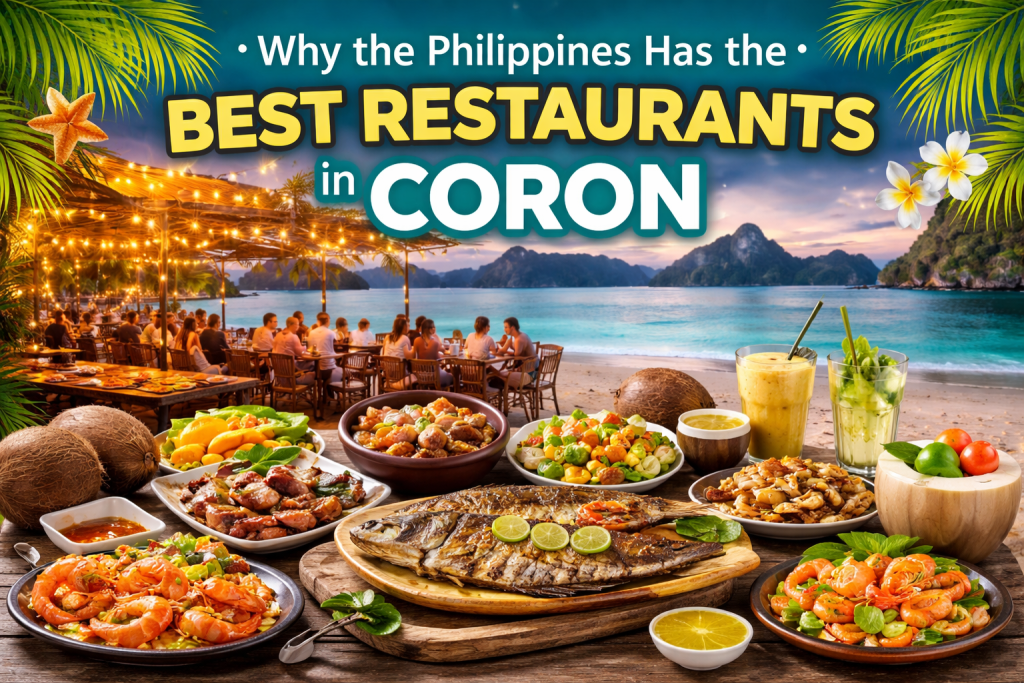
Finding the best restaurants in Coron is not always easy for first time visitors. Coron, a stunning municipality in Palawan, Philippines, is famous for its crystal clear lakes, Japanese shipwrecks, and limestone cliffs. Yet many travelers arrive hungry for authentic local flavors and leave confused by the sheer number of eateries lining the main road. An insider knows that the true culinary magic happens away from the tourist crowds.
This guide, written in the third person, helps any visitor navigate the dining scene with confidence. It reveals insider tips on where to eat, what to order, and how to avoid common tourist traps. For anyone seeking the best restaurants in Coron, the journey begins not with a reservation but with an open mind and a willingness to explore side streets, waterfront shacks, and family run canteens.
Table of Contents
ToggleWhy Coron’s Food Scene Requires Insider Knowledge
Coron is not Manila. It is not Cebu. The island location means supply chains are irregular, and imported ingredients are expensive. Consequently, the best restaurants in Coron rely almost entirely on what the sea and the surrounding farms provide daily. An insider understands that menus change based on the morning catch.
A restaurant that serves excellent grilled squid on Tuesday might offer only fried eggs and rice on Wednesday if the boats cannot sail due to rough weather. Travelers who expect air conditioned comfort and white tablecloths often leave disappointed.
Those who embrace the unpredictability, however, discover meals that rival any capital city fine dining experience. The key is knowing which establishments consistently source fresh ingredients and which simply reheat frozen goods. This third person guide separates fact from fiction.
How to Identify Quality Eateries Without Reading Paid Reviews
Many travelers immediately open their phones to search for the best restaurants in Coron through popular review apps. An insider knows that online ratings in Coron can be misleading. Some highly rated spots cater exclusively to Western palates, serving bland pasta and pizza to tourists afraid of spice.
Meanwhile, humble eateries with no online presence serve extraordinary grilled reef fish, kinilaw (Filipino ceviche), and adobo cooked slowly in coconut cream. One insider tip is to look for places where local tricycle drivers eat at lunchtime.
These drivers know exactly which kitchens serve generous portions at fair prices. Another tip is to walk one street back from the waterfront. The best restaurants in Coron are rarely on the main tourist strip. They hide in plain sight, often marked only by a handwritten sign or the smell of charcoal smoke wafting through a narrow alley.
Insider Tip Number One – Follow the Smoke, Not the Stars
The most reliable indicator of quality in Coron is the presence of a charcoal grill at the entrance. An insider never chooses a restaurant based on a five star sticker on the window. Instead, they look for rising smoke and the sizzle of fat dripping onto hot coals.
Grilling is the preferred cooking method for seafood and meat in Coron because fuel is affordable and the flavor is unmatched. Pineapple charcoal, made locally from coconut shells, imparts a subtle sweetness that cannot be replicated by gas stoves. Several contenders for the best restaurants in Coron operate as grill houses where customers select their own fish, pork belly, or chicken from a refrigerated display case.
The chosen items are then weighed, seasoned with salt and pepper, and grilled right in front of the diner. This transparency ensures freshness. An insider always asks to see the fish eyes. Clear, bright eyes mean the fish was caught that morning. Cloudy eyes mean the traveler should order something else.
What to Order at a Coron Grill House
When dining at a grill house that qualifies as one of the best restaurants in Coron, an insider recommends ordering three specific items.
First, grilled tuna panga (jaw). This cut is often overlooked by tourists, but locals prize it for its high fat content and rich flavor. The jaw is grilled slowly until the skin is crisp and the interior remains buttery.
Second, inihaw na liempo (grilled pork belly). The pork is marinated overnight in calamansi, soy sauce, garlic, and black pepper before hitting the grill. The result is a crackling exterior and tender, juicy meat.
Third, grilled squid stuffed with tomato, onion, and lemongrass. The lemongrass perfumes the squid from the inside while the grill chars the outside. These three dishes, served with steaming white rice and a side of achara (green papaya pickles), represent the heart of Coron’s culinary identity.
Avoiding the Overcooked and the Frozen At the best restaurants in Coron
Not every grill house deserves a spot on the list of the best restaurants in Coron. An insider has learned to spot warning signs. If the grill flames are too high and the cook appears rushed, the outside of the meat will burn while the inside remains raw. If the fish has been pre grilled and sits under a heat lamp, the texture becomes rubbery. A good grill house cooks every order fresh. Waiting fifteen to twenty minutes for food is a positive sign, not a negative one. Additionally, an insider never orders imported meat like Australian beef in Coron. The local pork, chicken, and seafood are superior because they are fresh. Imported beef travels for days and loses flavor. Stick to what the sea and the island provide.
Insider Tip Number Two – Eat Where the Fishermen Eat
The fishing port in Coron, located near the public market, is not a place most tourists visit before noon. By that hour, the best seafood is already sold. An insider wakes early, arriving at the market around 5:30 AM, to watch the catch being unloaded. Several small eateries operate within walking distance of the port, and they receive first pick of the daily haul.
These unassuming canteens, some without posted names or English menus, serve what many locals consider the best restaurants in Coron for breakfast. A typical meal might include sinigang na hipon (sour shrimp soup), fried danggit (rabbitfish), and scrambled eggs with diced tomatoes and onions.
The soup is made by simmering shrimp heads with tamarind, radish, and long green peppers until the broth turns tangy and slightly spicy. An insider drinks the broth last, like a warm, savory digestif.
Navigating Language and Menu Barriers
A common fear among travelers is not understanding the menu. The best restaurants in Coron that cater to the fishing community rarely have English translations. An insider overcomes this by learning five simple phrases. Ano ang masarap dito? (What is delicious here?). Sariwa ba ang isda? (Is the fish fresh?). Gusto ko ng inihaw (I want grilled). Walang gulay, please (No vegetables, please – though vegetables are healthy, some travelers prefer just protein). Magkano lahat? (How much for everything?). Pointing at what another customer is eating also works perfectly.
Locals are almost always happy to help a confused visitor, often sharing their table and offering a taste of their own dish. This generosity is part of why Coron’s food culture is so beloved by those who venture beyond the tourist path.
The Best Time to Visit the Port Eateries At the Best Restaurants in Coron
Timing is everything when hunting for the best restaurants in Coron near the fishing port. Breakfast service runs from 6:00 AM to 9:00 AM. Lunch starts at 11:00 AM, but the most popular items sell out by 12:30 PM. An insider arrives at 11:00 AM sharp to secure the best pieces of fried fish or slow cooked pork hock.
Dinner service at these port eateries is less reliable because the fishermen return throughout the afternoon. For dinner, a better strategy is to visit the grill houses rather than the port canteens. However, for breakfast and lunch, the port area remains unbeatable. Travelers who sleep until 10:00 AM miss the entire experience. Setting an alarm is worth the effort.
Insider Tip Number Three – Look for the Family Kitchen
Coron is a town built on family ties. Many of the best restaurants in Coron are actually family homes that open their dining rooms to paying guests during lunch hours. These operations are easy to miss. There is no sign, no website, no menu.
A foreigner might walk past the same gate ten times without realizing that behind it, a grandmother is simmering caldereta (spicy goat stew) for twelve lucky customers. An insider finds these family kitchens by striking up conversations with local residents.
Asking a hotel receptionist where they eat on their day off often yields the best recommendation. Asking a tricycle driver to take you to his mother’s favorite eatery is even better. These home kitchens offer the most authentic version of Coron’s cuisine because the recipes have been passed down through generations.
What Makes a Family Kitchen Different
In a family kitchen that ranks among the best restaurants in Coron, the cooking process is slow and patient. Meat is simmered for hours until it falls off the bone. Vegetables are picked from a backyard garden minutes before cooking. Coconut milk is freshly squeezed from grated coconut flesh, not poured from a can.
The flavors are layered and complex, unlike the rushed cooking found in high volume tourist restaurants. An insider notices the small details. The presence of a mortar and pestle for making fresh sambal. The use of banana leaves as serving platters.
The absence of microwave ovens. These signs indicate a kitchen that takes pride in traditional methods. The wait for food can be longer, sometimes forty five minutes or more, but the meal that arrives is worth every minute.
Etiquette for Dining in a Family Home
Eating in a private home requires different behavior than eating in a public restaurant. When visiting one of the best restaurants in Coron operated out of a family home, an insider always removes their shoes before entering the dining area.
They greet the hosts with a slight bow and a smile. They never complain about a slow pace or a limited menu. They eat everything served to them, or at least taste everything, as refusing food is considered impolite. Payment is often placed in a small bowl near the door rather than handed directly to the cook.
The amount is usually left to the customer’s discretion, though an insider pays generously, recognizing that the meal cost far more in time and love than in ingredients. Leaving without offering thanks is the gravest mistake a visitor can make.
Insider Tip Number Four – Seek Out the Floating Restaurants in Coron
Beyond the town proper, the waters of Coron Bay host a unique dining experience unavailable in almost any other part of the Philippines. Floating restaurants, built on bamboo rafts tethered to the shore or anchored in shallow lagoons, serve seafood that is literally swimming beneath the diner’s feet.
Several contenders for the best restaurants in Coron are accessible only by boat, usually as part of a private tour or a customized island hopping itinerary. An insider arranges with a local boatman to visit one of these floating kitchens during the late afternoon, after the tour groups have left. The atmosphere is serene. The only sounds are lapping water, sizzling pans, and the distant call of kingfishers.
The Catch of the Day Experience At the Best Restaurants in Coron
At a floating restaurant that deserves mention among the best restaurants in Coron, the diner does not order from a menu. Instead, a bucket of live seafood is brought to the table. The bucket might contain blue swimming crabs, tiger prawns, clams, and small groupers.
The diner points at what they want, and the cook prepares it immediately. Crabs are steamed with ginger. Prawns are grilled in the shell until the flesh turns pearly white. Clams are tossed in a garlic butter sauce and served sizzling. Groupers are stuffed with herbs and wrapped in banana leaves before being steamed over boiling seawater. The entire meal is eaten with bare hands.
An insider brings their own wet wipes, though the floating restaurant usually provides a pitcher of water for washing hands. The novelty of eating seafood while floating on the same bay where it lived hours ago is unforgettable.
How to Book a Floating Restaurant Visit in Coron
Not all floating restaurants are equal. Some have become tourist traps serving frozen seafood from the mainland. To find the true best restaurants in Coron on the water, an insider avoids booking through hotel tour desks that offer cheap packages. Instead, they walk to the pier near the main public market in the late afternoon, around 3:00 PM, and look for independent boatmen smoking cigarettes near their bancas (outrigger canoes). A brief negotiation follows.
The boatman will quote a price for transportation to and from a floating kitchen, plus a waiting fee. The diner pays separately for the seafood consumed. An insider confirms the price before boarding and brings cash, as no credit cards are accepted on the water. The round trip takes approximately two to three hours, and sunset dining is highly recommended for the dramatic views.
Insider Tip Number Five – Visit the Night Market for Street Food
When the sun sets over Coron’s harbor, the main road transforms. Vendors push carts onto the sidewalks, setting up portable grills, steaming pots, and frying stations. This night market, located near the public plaza, is where many locals eat dinner. Several stalls have earned reputations as part of the best restaurants in Coron experience, despite lacking walls or roofs. An insider knows that street food requires a different mindset.
The best items are the ones cooked to order and consumed immediately. Items that sit out at room temperature, like boiled peanuts or displayed skewers, carry higher risk. The grilled offerings, however, are safe and delicious.
Must Try Street Food Items in Coron
Among the stalls that form the best restaurants in Coron after dark, three items stand out. First, chicken intestines (isaw) are cleaned meticulously, skewered, grilled until crispy, and brushed with a sweet spicy vinegar glaze. The texture is crispy on the outside and slightly chewy inside.
Second, stuffed squid (stuffed with the same tomato onion lemongrass mixture as the grill houses) is smaller and more intensely flavored when cooked over the night market’s high heat.
Third, banana cue which are fried bananas coated in caramelized brown sugar, served on a bamboo skewer as dessert. An insider also looks for the halo halo stall, where shaved ice is layered with sweet beans, coconut gel, purple yam jam, and leche flan, then topped with evaporated milk. This dessert is the perfect counterpoint to the savory grilled meats.
Safety Tips for Night Market Dining
Eating at the night market version of the best restaurants in Coron requires caution. An insider observes each stall for five minutes before ordering. They watch how the vendor handles raw meat. They check whether cooked food is kept separate from raw food. They notice if the vendor uses the same tongs for raw chicken and cooked chicken (a red flag).
They look for a line of local customers, as locals will not wait in line for unsafe food. They verify that the cooking oil appears clean and not blackened from overuse. They avoid any stall that has flies on the displayed food. Following these simple observations reduces risk dramatically.
An insider also carries a small bottle of alcohol based hand sanitizer and uses it before and after eating. Finally, they drink only bottled water, never the free water offered at some stalls.
Insider Tip Number Six – Order the Dishes Tourists Fear
The best restaurants in Coron often serve dishes that never appear on English language menus. An insider seeks these out deliberately because they offer the most authentic flavors.
One such dish is dinuguan, a savory stew made from pork blood and offal simmered with vinegar, garlic, and chili. The appearance is dark and thick, which frightens many Westerners. The taste, however, is rich, tangy, and deeply satisfying when spooned over steaming rice. Another feared dish is papaitan, a bitter soup made from goat innards and bile. The bitterness is an acquired taste, but an insider appreciates it as a digestive aid and a cultural touchstone.
A third overlooked dish is crispy tadyang, which are beef ribs deep fried until the fat renders and the edges become brittle. These ribs are dipped in a mixture of vinegar, soy sauce, and crushed red pepper.
Why These Dishes Are Harder to Find At the Best Restaurants in Coron
Not every restaurant serves these specialty dishes because they require more preparation time and specific offal cuts. To find them among the best restaurants in Coron, an insider calls ahead or visits during breakfast hours when the cook is shopping at the market.
They ask, May dinuguan ba kayo ngayon? (Do you have dinuguan today?). If the answer is yes, they secure a portion immediately, as these dishes are often cooked in small batches and finished by noon. If the answer is no, they ask if they can order it for the following day.
Many family kitchens will accommodate a special request if given twenty four hours notice. Paying a small deposit shows good faith. The effort is rewarded with a meal that reveals Coron’s culinary depth beyond grilled seafood and fried chicken.
Pairing Drinks with Fearless Food Choices At the Best Restaurants in Coron
When eating challenging dishes from the best restaurants in Coron, an insider pairs them with appropriate drinks. Dinuguan, with its rich and tangy profile, pairs well with ice cold calamansi juice, which cuts through the fat. Papaitan, with its pronounced bitterness, is traditionally paired with a shot of lambanog, a coconut spirit that warms the throat and balances the flavors. Crispy tadyang, salty and fatty, demands ice cold beer.
San Miguel Pale Pilsen is the local standard. An insider avoids sweet cocktails or sugary sodas with spicy or bitter foods, as sugar amplifies unpleasant flavors. Water is always acceptable. The goal is to respect the dish by not overwhelming it with incompatible beverages.
Insider Tip Number Seven – Skip the Buffet, Order Family Style
Many travelers default to buffet restaurants in Coron because the price seems reasonable and the selection appears vast. An insider argues that buffets rarely represent the best restaurants in Coron. The reason is simple. Buffet food sits under heat lamps for hours.
The fried chicken becomes soggy. The vegetables turn gray. The seafood dries out. Instead of paying for a buffet, an insider gathers three or four fellow travelers and orders family style from a restaurant that cooks a la carte.
The cost is often the same or lower, and the quality is dramatically higher. Ordering two kinds of soup, a large grilled fish, a vegetable dish, and a meat dish provides variety without the quality loss of buffet storage.
How to Order Family Style Without Speaking Fluently
To access the best restaurants in Coron via family style ordering, an insider uses a simple system. They look for a photo menu or point to the dishes on neighboring tables. They order one soup (sinigang or nilaga), one sour dish (adobo or kinilaw), one grilled item (fish or pork), one vegetable (pinakbet or laing), and one dessert (fresh mango or leche flan). They specify that all dishes should be brought at the same time, not one after another. They request rice served in a large communal bowl rather than individual plates.
They ask for extra calamansi and fish sauce on the side for dipping. This formula works across almost any restaurant that cooks to order, from the humblest carinderia to the mid range places that accept credit cards.
Portion Control and Avoiding Waste At the Best Restaurants in Coron
One danger of family style dining at the best restaurants in Coron is overordering. An insider follows a simple rule of thumb. Order one dish per person plus one extra dish for the table. For a group of four, that means five dishes total. If the group is very hungry, order an extra rice. If the group includes big eaters, order one additional grilled meat.
Leftovers are rarely boxed for takeaway in Coron because refrigeration is unreliable in many hotel rooms. An insider would rather order slightly less and supplement with a snack from the night market later than waste food or carry smelly leftovers through a hot tricycle ride. Asking the server, Sakto na ba ito para sa apat? (Is this enough for four?) is always acceptable.
Insider Tip Number Eight – Respect the Siesta and the Schedule
The best restaurants in Coron do not operate on a 24 hour schedule. Many close for several hours in the afternoon, typically from 2:00 PM to 5:00 PM. This siesta period allows families to rest, children to return from school, and cooks to prepare for the dinner rush.
An insider plans their meals accordingly. Breakfast is eaten early, between 6:00 AM and 9:00 AM. Lunch is eaten exactly at 11:30 AM or 12:00 PM. Any later than 1:00 PM, and the kitchen may be closing or running out of ingredients. Dinner service resumes around 5:30 PM, but the best tables and the freshest seafood are taken by 6:30 PM.
Arriving at 7:00 PM or later means accepting limited options. An insider never shows up at 3:00 PM expecting a full menu. They either eat at the night market or purchase street snacks like banana cue to tide them over until dinner.
The Exception to the Siesta Rule
A small number of establishments compete for the title of best restaurants in Coron that do serve all day. These are usually the grill houses near the tourism strip that cater to foreign schedules. However, an insider notes that even these restaurants run out of the most popular items by mid afternoon.
The grilled pork belly might still be available at 3:00 PM, but the prized tuna jaw will be gone. The sinigang might be sitting in a pot since morning, the vegetables softened and the broth dulled. Eating during siesta hours at a tourist oriented spot is possible, but the experience is a pale imitation of eating during proper meal times. Adjusting one’s schedule to match the local rhythm yields vastly superior results.
Sundays and Holidays Require Extra Planning At the Best Restaurants in Coron
On Sundays and public holidays, the search for the best restaurants in Coron becomes more difficult. Many family kitchens close entirely for worship or family gatherings. The fishing port market is empty because no boats sail.
Even some grill houses take a rotating Sunday off. An insider plans for Sunday by visiting the night market on Saturday evening and purchasing non perishable snacks like roasted cashews and dried fish to keep in the hotel room.
Alternatively, they ask their hotel receptionist on Friday for a list of restaurants confirmed open on Sunday. Calling ahead is essential. Showing up at a closed restaurant after a long hot walk is a frustrating experience that can be avoided with ten minutes of planning.
Final Insider Tip – Trust Your Senses, Not the Hype
After reading thousands of words about the best restaurants in Coron, a traveler might feel overwhelmed. An insider’s final piece of advice is simple. Trust your own nose, eyes, and tongue. If a restaurant smells like old oil, walk away.
If the dining area is visibly dirty, walk away. If the menu is twenty pages long, the ingredients cannot all be fresh. Walk away. If the restaurant is completely empty during lunchtime while the place next door has a line, join the line. If a dish tastes bland, add fish sauce or calamansi. If the service is slow, relax and watch the world go by. Coron is not a place for rushing.
The best restaurants in Coron reveal themselves to patient, observant, and respectful travelers. No smartphone app can replace the simple act of walking, smelling, asking, and tasting. The journey is the meal. The meal is the journey.
A Final Checklist for the Insider Traveler
Before concluding, a quick checklist ensures any traveler can find the best restaurants in Coron without stress. Wake early at least once to visit the fishing port. Carry small bills in Philippine pesos for street vendors.
Learn the five essential food phrases. Eat grilled items from stalls with steady local customers. Avoid buffets and empty restaurants. Drink bottled water only. Bring your own hand sanitizer and wet wipes. Eat family style rather than individual plates. Respect the afternoon siesta schedule. Try at least one feared dish like dinuguan.
Leave generous tips for family kitchens. And above all, eat with gratitude. The people of Coron work hard to feed visitors, often with limited resources and no expectation of recognition. An insider never forgets that the best restaurants in Coron are not about the food alone. They are about the warmth, the resilience, and the generosity of an island community that welcomes strangers to its table.
