
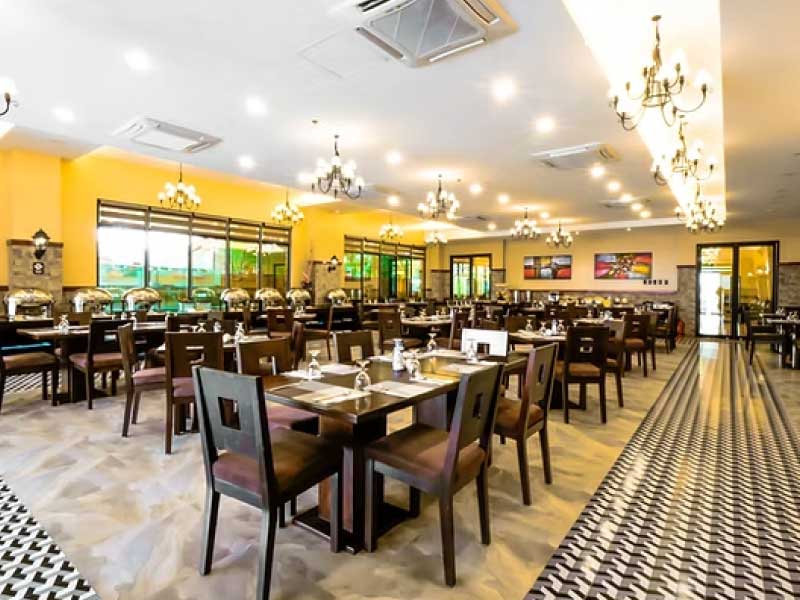
To ask why the best restaurants in Coron offer amazing food is to understand the geography, history, and passion of the region. It is not simply about fresh ingredients though there is plenty of that but about a specific alchemy of ecology, tradition, and adaptation. Coron stands apart from other Philippine destinations because its culinary identity is as rugged and diverse as its karst landscapes.
Coron is often visualized through a lens of jagged limestone cliffs, hidden lagoons, and the haunting remains of WWII shipwrecks. Travelers usually arrive with a checklist of island-hopping tours and snorkeling spots. However, what many visitors do not anticipate is the culinary renaissance happening on its main thoroughfares and hidden side streets. While the ocean provides the postcard views, the local gastronomy provides a compelling reason to extend a stay.
Table of Contents
ToggleThe Geography of Flavor: Proximity to the Casa At The Best Restaurants in Coron
One cannot discuss the quality of dining in Coron without addressing the most obvious advantage: the ocean. However, it is not just proximity to water that matters; it is the specific type of water that surrounds Busuanga Island. The waters of Coron are part of the Sulu Sea, a marine biodiversity hotspot. The bay is a natural sanctuary where saltwater from the open sea mixes with freshwater runoffs from the mountains, creating a rich, brackish environment that nurtures a wide variety of marine life.
The best restaurants in Coron leverage this hyper-local supply chain. In many coastal cities around the world, the seafood served at a restaurant has often been on ice for days. In Coron, the supply chain is measured in hours, not days. Local fishermen return to the wharfs at dawn with their catch—often still alive in aerated tanks or glistening on ice blocks.
This immediacy changes the philosophy of the kitchen. Chefs in Coron do not need to mask old fish with heavy sauces or aggressive spices. Instead, they adopt a minimalist respect for the raw material. A fish caught at 6:00 AM can be grilled over charcoal by 12:00 PM with nothing more than a sprinkle of sea salt and a squeeze of calamansi. This “less is more” approach allows the diner to taste the actual terroir of the sea the sweet, clean flavor of a fish that has lived in pristine, nutrient-rich waters.
Furthermore, the variety is staggering. Diners will find deep sea predators like tuna and mahi-mahi swimming alongside reef fish like parrotfish and grouper. Even the shellfish gigantic tiger prawns, blue swimming crabs, and varieties of clams that are rare elsewhere arrive at the table with a texture that is snappy and sweet, a direct result of the short journey from net to plate.
The Sulu Sea Influence: Catching the Untamed Catch At The Best Restaurants in Coron
To understand the raw power of the local menu, one must look at the fishing methods. The waters west of Coron are notoriously rough, subject to sudden squalls and shifting currents. This environment produces athletic, muscular seafood. Unlike farmed fish, which are lethargic and fatty, wild Coron fish are lean and flavorful.
The best restaurants in Coron have built their reputations on this wild harvest. Diners frequently remark that the local squid is the most tender they have ever tasted. This is because the squid are caught at night using handlines and lights a low-stress method that prevents the adrenaline from souring the meat. When grilled quickly over high heat, these squid turn buttery and soft rather than rubbery.
There is also a deep respect for bycatch and lesser-known species. While tourists often request the famous “lapu-lapu” (grouper), the locals know that the smaller, silver “bisugo” or the “dalagang bukid” are actually sweeter. Because the supply is abundant, restaurants can afford to be honest. They serve what is fresh, not just what is expensive. This authenticity is a hallmark of the region. If a specific catch is scarce that day because of weather or tides, the menu changes. This fluidity is a sign of quality, not inconsistency. It proves that the kitchen answers to the sea, not to a frozen warehouse inventory.
Land-Based Bounty: The Mountain Meets the Plate
While the ocean steals the spotlight, the interior of Busuanga Island provides the supporting cast that elevates dining from good to great. The volcanic soil of the region is incredibly fertile, supporting a range of produce that thrives in the tropical sun. However, logistics on the island are tricky. Roads are often winding and rough, which discourages large-scale industrial agriculture.
Consequently, small-scale, organic farming is the norm. This is a secret weapon for local chefs. Heirloom varieties of eggplant, okra, and beans that are extinct in commercial markets elsewhere still grow in backyard gardens in Coron. The “sibuyas” (onions) are small and pungent; the “luya” (ginger) is fiery and sharp.
The best restaurants in Coron build relationships with these highland farmers. They receive deliveries of crisp green mangoes, ripe carabao mangoes, and a variety of leafy greens that wilt perfectly under heat. This land-to-table movement is less documented than its coastal counterpart but equally important. A dish of grilled pork belly, for example, relies entirely on the accompanying “ensalada” a fresh salad of green tomatoes, onions, and vinegar. If the tomatoes are watery or the onions are old, the dish fails. Because Coron’s supply chain is short and localized, the vegetables arrive at the restaurant with their cell structures intact, bursting with moisture and flavor.
Indigenous Culinary Heritage: The Calamianes Cooking Style
The third person analyzing the culinary scene must recognize the specific ethnic influences at play. Coron is part of the Calamianes archipelago, and it is home to the Tagbanua people, as well as migrants from various Visayan islands. This has created a unique fusion known locally as “Calamianes cooking.”
Unlike the sugar-heavy cuisine of the Western Visayas or the intense heat of Bicol, Calamianes food is characterized by asim (sourness) and tamis (sweetness) derived from natural sources. The primary souring agents are not vinegars alone, but native fruits like batuan (a sour fruit similar to tamarind) and ripe kamias.
The best restaurants in Coron have revived these indigenous techniques. They slow-cook meats and seafood in sour broths that cut through the tropical heat, stimulating the appetite. This is not the sourness of a quick stir-fry; it is a deep, layered acidity that comes from simmering tamarind leaves and fruits for hours.
Furthermore, the use of gata (coconut milk) in Coron is distinct. Because the region produces a high yield of mature coconuts, the milk is exceptionally thick and creamy. Chefs utilize a two-stage extraction process: the first press (thick milk) for the body of the curry, and the second press (thin milk) for simmering the vegetables. This results in curries and stews that are silky and rich without being greasy a perfect foil for steamed rice.
Visitors will notice that there is a rustic honesty to the plating. There are no foams or deconstructed molecular gastronomy gimmicks. Instead, the food celebrates the “kamayan” spirit (eating with hands). The focus is on texture: the crackle of deep-fried pork skin, the gelatinous sinuosity of slow-braised beef tendon, and the granular bite of freshly pounded rice.
The Grilling Culture: Fire, Smoke, and Charcoal At The Best Restaurants in Coron
To walk down a street in Coron in the evening is to navigate a current of wood smoke. Grilling “inihaw” is not just a cooking method here; it is a ritual. The best restaurants in Coron almost always feature an open charcoal grill either at the entrance or in plain view of the dining area. This transparency is a statement of confidence.
The charcoal used in Coron is specific. It is made from dense mangrove wood or coconut husks. This burns at a lower, more consistent temperature than standard lump charcoal, and it imparts a sweet, clean smoke rather than a bitter, acrid one. Chefs in Coron have mastered the art of “indirect grilling” for larger cuts, and direct searing for smaller items.
What makes this grilling culture so amazing is the marinade philosophy. Unlike the sugary barbecue sauces found elsewhere, Coron marinades are “dry” and acidic. Seafood might be rubbed with a paste of ginger, garlic, and lemongrass (“tanglad”) before hitting the grill. The high heat caramelizes the natural sugars of the protein while the interior remains miraculously juicy.
The skill of the grill master is evident in the preparation of whole fish. Diners will watch as a whole lapu-lapu is splayed open, scored diagonally, and laid directly on the grates. The fins become brittle and salty (often eaten like chips), the skin turns paper-thin and smoky, and the meat separates from the bone in clean, white flakes. This mastery of fire is a primal reason why the dining experience feels so satisfying. It taps into an ancestral love for fire-roasted food, executed with precision.
The “Paksiw” Mastery: Turning Preservation into Art
While fresh grilling gets the headlines, the true test of a great kitchen in Coron is its “paksiw.” Paksiw is a cooking method involving vinegar, ginger, and peppercorns, used primarily for fish. Originally a preservation technique to keep fish edible without refrigeration, it has evolved into a sophisticated dish in its own right.
The best restaurants in Coron offer a version of paksiw that is unlike the vinegary stews found in Manila. Here, because the fish is so fresh, the paksiw is lighter. The vinegar is less harsh; sometimes, chefs use coconut vinegar aged for six months, which has a mellow, slightly milky flavor. The dish is simmered just until the fish sets, never boiled into shreds.
What is remarkable is the textural contrast. The skin of the fish in paksiw becomes slightly gelatinous due to the collagen breaking down in the acid, while the meat stays firm. The ginger slices add a zing that cuts through the fat of any accompanying pork belly. Diners will often find this dish served the next morning for breakfast, having sat overnight, allowing the flavors to meld even further. The ability to take a simple acid-cooked fish and make it craveable is a subtle art that Coron’s cooks have perfected over generations.
The Vegetable Dishes: Beyond the Side Salad
In many dining destinations, vegetables are an afterthought. In Coron, they are a headline act. Because of the strong Catholic traditions and “meat-free Fridays,” the chefs have developed a repertoire of vegetable dishes that are deeply satisfying even for carnivores.
One notable style is “ginataang gulay” (vegetables in coconut milk). While common in the Philippines, the Coron version is distinct because of the specific vegetables used: the tender tips of the “kalabasa” (squash) vine, the unopened flowers of the banana plant (“puso ng saging”), and the indigenous “saluyot” (jute leaves), which render a slightly slimy, stew-like consistency nutritious and soothing.
The best restaurants in Coron cook these vegetables with dried fish or salted egg to provide a salty, umami counterpoint to the sweet coconut milk. The result is a dish that is creamy, savory, and slightly bitter (from the squash vines). It is eaten with heaps of white rice. Diners often report that these vegetable dishes are the unsung heroes of the menu, often outshining the meat entrees because of their complexity and freshness.
The Rise of the “Sisig” Evolution
“Sisig” originated in Pampanga, but Coron has adopted it and evolved it. Originally made from pig’s head and liver, the Coron version of “sisig” often incorporates the ocean. The best restaurants in Coron have started creating “seafood sisig,” using tuna belly, squid, or even oysters.
This innovation demonstrates the adaptability of the local culinary scene. The dish is chopped finely, mixed with onions, chili, and calamansi, and served on a sizzling plate. A raw egg is cracked on top, and the residual heat cooks it just enough to bind the mixture. The contrast between the crispy, grilled edges of the seafood and the soft, fiery center is textural perfection. This evolution shows that while Coron respects tradition, it is not afraid to be playful with its identity, using its primary resource (the sea) to reinterpret national classics.
The Power of Simplicity: Garlic Rice At The Best Restaurants in Coron
No discussion of why the food is amazing would be complete without addressing the foundation: rice. Specifically, “sinangag” (garlic fried rice). While it seems simple, the version found in Coron is a benchmark. The rice used is usually a day old, which allows the grains to separate and fry rather than steam.
What makes it special are the garlic chips. Chefs in Coron fry slivers of local garlic in rendered pork fat until they are the color of dark amber not burnt, but deeply caramelized. The rice is then tossed in this infused oil and the crispy garlic chips. The result is a dish that is savory, nutty, and aromatic. It serves as the neutral canvas for the salty, sour, and spicy dishes. Diners will find that even a simple breakfast of fried egg and garlic rice feels luxurious here because the quality of the rice grain (usually C4 or Jasmine) is top-tier, long-grain, and fluffy.
Breakfasting Like a Local: The Morning Market Energy
The best restaurants in Coron for breakfast offer a glimpse into the work ethic of the town. Breakfast is not a quiet, continental affair. It is loud, greasy, and energetic. The “tapsilog” (cured beef, fried rice, egg) or “longsilog” (sweet sausage plate) are staples, but the breakfast fish are where the quality shines.
Small fish like “galunggong” (round scad) or “dilis” (anchovies) are salted overnight and fried until the bones are brittle. Diners eat the whole fish head, tail, and bones because the frying process makes them crispy and calcium-rich. This is sustainable eating at its finest, utilizing small fish that are plentiful. The chefs understand the thermodynamics of breakfast frying: the oil must be screaming hot to flash-fry the fish, rendering the skin glass-like while keeping the tiny fillets moist. This mastery of high-heat frying is a specialized skill that elevates the humble breakfast plate to a memorable experience.
Beverages and Palate Cleansers At The Best Restaurants in Coron
The heat of Coron requires refreshment. The food is designed to be eaten slowly, often accompanied by buko (young coconut) juice directly from the shell or freshly squeezed calamansi juice, slightly salted to replenish electrolytes.
The best restaurants in Coron pay attention to this hydration element. They understand that the intense flavors of the food—the sharp vinegar, the spicy chili, the salty fish—require a clean, acidic, or sweet counterpoint. Fresh fruit shakes made from local mango, papaya, or watermelon are pureed without added syrups. They are thick and cold, acting as a fire extinguisher for spicy “Bicol Express” style dishes. This holistic approach to the meal—considering the drink as part of the flavor equation separates the average eatery from the truly best restaurants in Coron.
The “Boodle Fight” Culture: Communal Eating
One cannot explain the satisfaction of dining in Coron without discussing the communal aspect. The “boodle fight” a military-inspired feast where food is piled onto banana leaves spread across a long table, and diners eat with their hands is prevalent here.
The best restaurants in Coron facilitate this experience because the food holds up to this style of eating. The banana leaf acts as a natural plate, but also imparts a subtle, earthy aroma to the rice and meat as the heat of the food warms the leaf. Eating with bare hands forces the diner to slow down. The tactile sensation of touching the food feeling the heat of the rice, the oil of the meat, the crispness of the vegetable sends signals to the brain that prepare the digestive system for what is coming.
This method of dining highlights the texture of the food. The soaked, savory rice can be squeezed into little balls. The flaky fish must be delicately fingered. The slippery noodles need to be scooped and sucked up. The messy, communal nature of the “boodle fight” creates a sense of abundance and joy. It is not just a meal; it is a ceremony. And the food needs to be robust enough to survive being touched, squeezed, and mixed. Because the ingredients are so fresh and well-prepared, they survive this chaos beautifully.
Adapting to Dietary Trends
Finally, the best restaurants in Coron have proven themselves amazing because of their adaptability. As global tourism brings vegetarians, vegans, and gluten-free travelers to the region, the local chefs have innovated without losing their soul. They cannot rely on processed meat substitutes; instead, they turn to their gardens.
They have created “vegan adobo” using jackfruit or shiitake mushrooms, braised in soy, vinegar, and garlic until the fibers pull apart like pork. They craft curries using “pata” (hock) substitutes from glutenous rice flour and mushrooms. Because the base flavors are so strong (garlic, onions, vinegar, coconut), the plant-based versions are not imitations; they are delicious dishes in their own right. This ability to pivot without losing authenticity is the hallmark of a mature culinary destination.
Conclusion About Why the Best Restaurants in Coron Offer Amazing Food
The question of why the best restaurants in Coron offer amazing food is answered not by a single feature, but by an ecosystem of quality. It is the geography that supplies pristine seafood hours from the ocean. It is the volcanic soil that grows pungent vegetables. It is the indigenous knowledge of charcoal and vinegar passed down through generations. It is the respect for the catch of the day and the willingness to change the menu based on the weather. And finally, it is the spirit of communal sharing over banana leaves.
For the traveler, the implications are clear. Do not treat meals in Coron as fuel between dives and hikes. Treat them as destinations in their own right. Wake up early for the grilled fish at dawn. Explore the vegetable stews. Eat with your hands. The limestone cliffs of Coron will etch themselves into your memory through your eyes, but the smoky, sour, and sweet flavors of the local tables will linger far longer on your tongue. In Coron, the kitchen is an extension of the landscape rugged, generous, and unforgettable
