
From Mangoes to Santol: Tropical Fruit in Coron
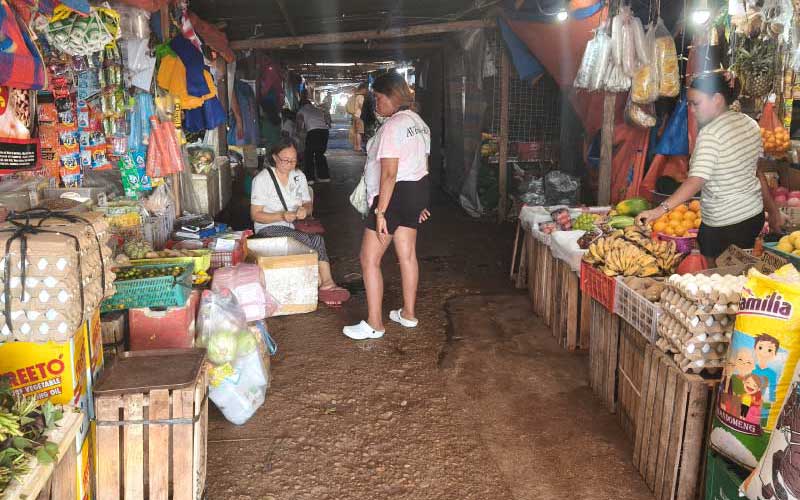
The Philippines, with its warm climate and fertile soil is home to a dazzling variety of tropical fruits. These Tropical fruit in Coron are celebrated for their vibrant flavors, nutritional value and versatility in both traditional and modern Filipino dishes. Tropical fruit in Coron are not just food but symbols of hospitality, festivity and identity. Where to eat in Coron?
Iconic and Well-Known Fruits
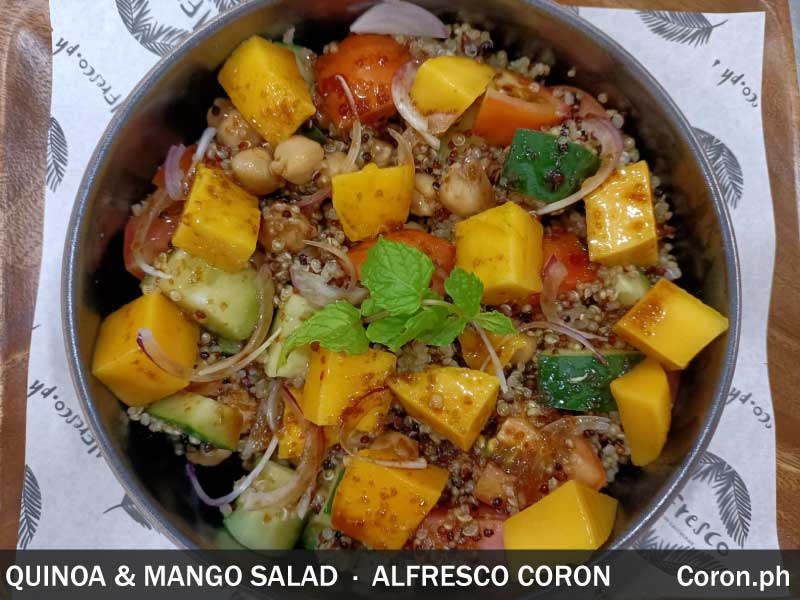
Mango (Mangga): Widely regarded as the national fruit, the Philippine mango is famous for its sweetness and smooth texture. It is exported worldwide and often enjoyed fresh, dried or in desserts like mango float and mango sago.
Coconut (Niyog): Found across the islands, coconuts provide refreshing water and creamy meat. They are essential in dishes like ginataang gulay (vegetables in coconut milk) and desserts such as buko pandan.
Banana (Saging): A staple fruit, bananas are eaten fresh, fried (banana cue) or used in turon (banana spring rolls).
Lesser-Known Fruits
Sweet and Refreshing
Lanzones: Small, round fruits with translucent flesh, sweet yet slightly tart. Often eaten fresh.
Rambutan: Hairy-skinned fruit similar to lychee, enjoyed fresh or in fruit salads.
Dragon Fruit: Vibrant pink-skinned fruit with white or red flesh, often used in smoothies.
Bold and Unique Flavors
Durian: Known as the “king of fruits,” famous for its strong aroma and creamy texture.
Santol: Sour-sweet fruit often made into santol pickles or added to savory dishes.
Pomelo (Suha): Large citrus fruit, refreshing in salads or eaten fresh.
Indigenous and Traditional
Calamansi: Small citrus fruit used as a condiment, marinade, or in drinks.
Guava (Bayabas): Commonly eaten fresh or made into guava jelly.
Chico (Sapodilla): Sweet, brown-skinned fruit with caramel-like flavor.
Presence of Tropical fruit in Coron in Filipino Gastronomy
Tropical fruits are central to Filipino cuisine:
Desserts: Halo-halo (shaved ice with mixed fruits), bibingka (rice cake often paired with coconut), buko pandan, and mango float.
Savory Dishes: Sinigang na baboy sometimes uses guava for sourness; ginataang gulay relies on coconut milk.
Snacks & Drinks: Banana cue, calamansi juice, and lanzones jam highlight everyday fruit use.
Final thoughts
From the world-famous mango to indigenous fruits like calamansi and santol, tropical fruits in the Philippines are more than ingredients, they are cultural icons. Their presence in both festive desserts and everyday meals reflects the Filipino love for freshness, flavor, and creativity in gastronomy.
Table of Contents
Toggle