
A culinary journey
Pinoy Pork Classics have long been at the heart of Filipino cuisine, woven into the fabric of everyday meals and grand celebrations alike. Across the archipelago, families gather around tables where pork dishes are the centerpiece, whether it is a humble soup served on a rainy day or a whole roasted pig displayed during a fiesta. The Best restaurants of Coron do serve an endless list of pork based starters.
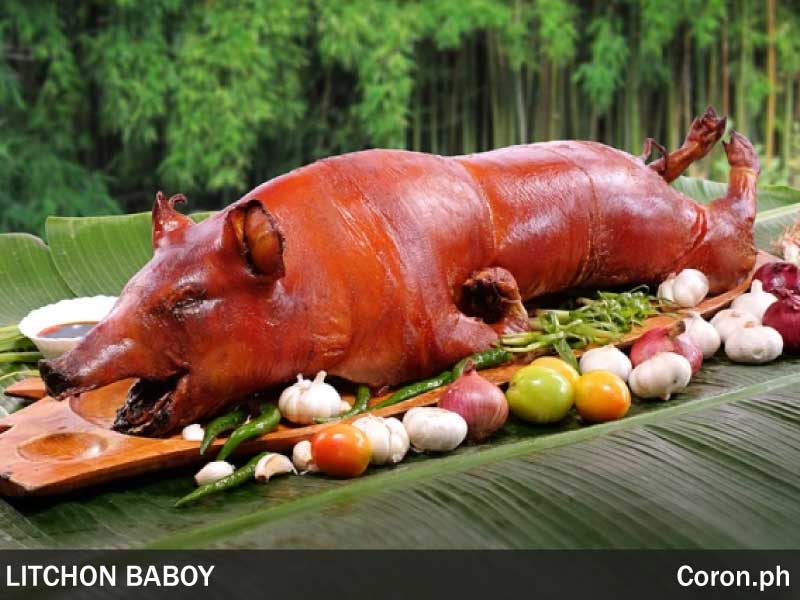
Roasted Options of Pinoy Pork Classics
The versatility of pork allows it to be prepared in countless ways, each reflecting the creativity and resourcefulness of Filipino cooks. In this journey, we will explore roasted options, grilled delights, comforting soups, and starters, before drawing together the threads of how pork embodies the Filipino spirit of hospitality and flavor.
Roasting pork in the Philippines is more than a cooking method; it is a cultural ritual. The most iconic example is lechon, a whole pig marinated with herbs and spices, stuffed with aromatics like lemongrass and garlic, and slowly roasted over charcoal until the skin turns golden and crisp. The process takes hours, but the result is a dish that symbolizes abundance and festivity. In Cebu, lechon is seasoned boldly, often without the need for sauce, while in Manila it is commonly paired with a liver-based gravy. For smaller gatherings, lechon kawali offers a more practical alternative. Pork belly is boiled, dried, and then deep-fried until the skin crackles, producing a dish that delivers the same indulgent crunch in a more manageable form. In the northern region of Ilocos, bagnet takes this idea further by frying the pork belly twice, creating an even more irresistible crispness. These roasted dishes are not just food; they are the centerpiece of celebrations, embodying the Filipino love for texture and communal feasting.
Grilled Options
Grilling anchors Filipino cooking, especially in street food culture and backyard gatherings. Charcoal smoke enhances pork’s richness, making dishes casual yet satisfying.
Pork barbecue, or inihaw na baboy, dominates the streets. Cooks marinate skewered pork in soy sauce, calamansi juice, garlic, sugar, and banana ketchup. Then, they grill until caramelized and slightly charred. Consequently, the aroma attracts crowds, while the flavor balances sweet, savory, and smoky notes.
Another favorite, inihaw na liempo, features marinated pork belly grilled whole, then sliced and served with dipping sauces. Options include vinegar with chili or soy sauce with calamansi, adding tangy depth.
Pampanga’s famous sisig also traces its roots to grilling. Traditionally, cooks grill pig’s head and liver, chop them finely, and season with calamansi, onions, and chili. They serve the dish sizzling on a hot plate. Modern versions often use pork belly, yet the essence remains unchanged: bold flavors and communal enjoyment.
Ultimately, grilled pork dishes embody the Filipino love for smoky, tangy, and savory flavors. People enjoy them with rice or as pulutan, food meant to accompany drinks.
Soups
Filipino pork soups embody comfort food, offering warmth and nourishment while showcasing balanced flavors that define the cuisine.
Sinigang na baboy remains the most beloved. Cooks simmer pork ribs or belly with tamarind, tomatoes, kangkong, and radish. Consequently, its refreshing tanginess suits rainy days. Across the country, variations use guava, calamansi, or even green mango as souring agents.
Nilaga, by contrast, emphasizes simplicity. Cooks boil pork with potatoes, cabbage, and corn, producing a mild broth that pairs beautifully with rice.
In Iloilo, batchoy offers a richer alternative. This noodle soup combines pork offal, crushed cracklings, and egg, creating a hearty, savory bowl. Moreover, it reflects both Chinese influences and Filipino ingenuity.
Ultimately, these soups highlight the Filipino knack for balancing sour, savory, and hearty flavors. Families enjoy them together, turning pork into the foundation of meals that comfort and unite.
Pinoy Pork Classics as Starters
Pinoy Pork Classics Starters in Filipino cuisine showcase pork in bite-sized, flavorful forms that excite the palate before main courses.
Lumpiang Shanghai remains a party staple. Cooks mix ground pork with carrots, onions, and seasonings, wrap it in thin pastry, and deep-fry until golden. Moreover, they serve it with sweet chili sauce or ketchup, delighting both children and adults.
Tokwa’t baboy offers a different starter. Cooks combine boiled pork ears and belly with fried tofu, then dress the mixture with soy-vinegar sauce, onions, and chili. Consequently, people enjoy it with rice porridge or as pulutan, making it versatile and satisfying.
Chicharon, or pork cracklings, provides another favorite. Cooks deep-fry pork rinds or belly until crispy, then serve them as snacks or appetizers. Sometimes, diners dip them in vinegar for added tang.
Ultimately, these starters transform pork into crunchy, savory bites that set the tone for feasts. They embody the Filipino love for bold flavors, even in small portions.
Conclusions
Pork recipes in the Philippines embody cultural expressions of celebration, comfort, and community. Roasted dishes like lechon and bagnet showcase festive traditions and highlight the Filipino love for crispy textures.
Grilled favorites such as barbecue, liempo, and sisig capture smoky, tangy flavors that define street food and gatherings. Meanwhile, soups like sinigang, nilaga, and batchoy provide warmth and balance, making them perfect for family meals.
Starters including lumpiang Shanghai, tokwa’t baboy, and chicharon deliver crunchy, savory bites that excite the palate. Consequently, these dishes reveal pork’s versatility in Filipino cuisine and its role as a symbol of hospitality and creativity.
Whether enjoyed in humble homes or grand fiestas, pork remains a cornerstone of Filipino identity. Ultimately, it reminds us that food is not just sustenance but a celebration of life, culture, and togetherness.
Table of Contents
Toggle