
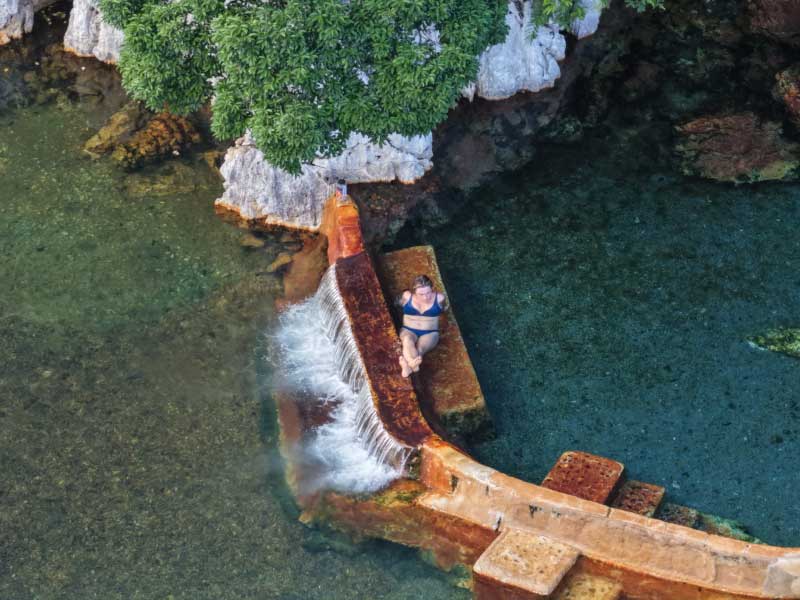
Maquinit Hot Springs in Coron: A Journey into Geothermal Bliss
Coron, in northern Palawan, is celebrated worldwide for its turquoise lagoons, dramatic limestone cliffs, and vibrant coral reefs. Yet beyond the iconic island-hopping tours lies a quieter, more contemplative attraction: Maquinit Hotsprings in Coron, one of the very few known saltwater hot springs in the world and the only one in the Philippines.
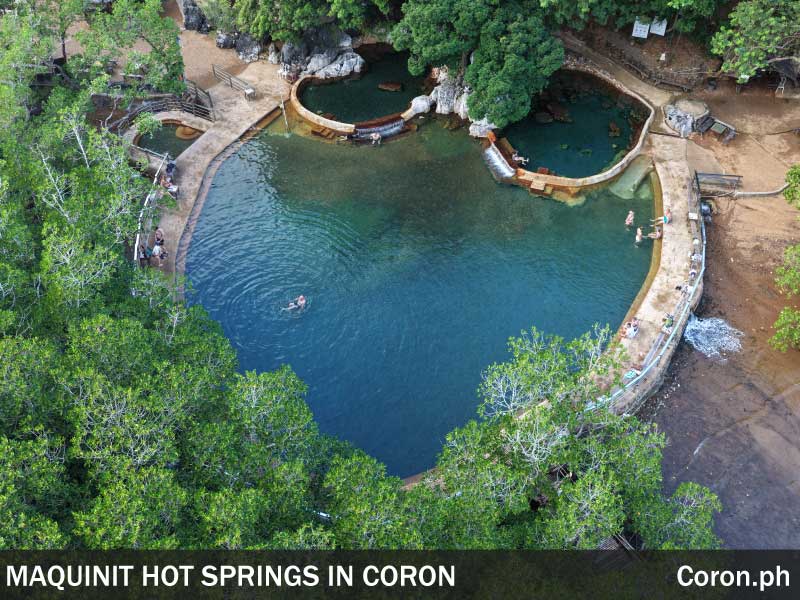
Nestled on Busuanga Island’s southern coast, just half an hour from Coron town, Maquinit Hot Springs welcomes travelers warmly. Moreover, it offers a rare chance to soak in naturally heated seawater surrounded by mangroves and rugged hills. Consequently, geology, culture, and tourism converge here, creating an experience that feels restorative and truly memorable.
Globally, most hot springs feature freshwater pools heated by geothermal activity. However, Maquinit stands apart. Its salty waters flow from an underground volcanic source that warms seawater to thirty-eight to forty degrees Celsius. Therefore, it becomes a geological curiosity, ranking among the world’s rare saltwater hot springs. Additionally, volcanic activity beneath Busuanga Island remains safe yet provides steady geothermal heat. Furthermore, minerals dissolved in the water enhance buoyancy and therapeutic qualities. As a result, locals describe the sensation as floating in warmth, a natural spa that feels invigorating and calming. Ultimately, this unique experience distinguishes Palawan’s province.
How to get there?
Arriving at Maquinit feels adventurous. From Coron town, travelers ride tricycles, vans, or motorbikes along winding coastal roads. Moreover, renting a motorbike in Coron remains easy and simple. The journey lasts twenty-five to thirty minutes, and soon the scent of saltwater and mangroves fills the air.
The hot springs feature two large pools and several smaller ones, continuously fed by geothermal water. Furthermore, the main pool accommodates dozens of visitors, yet the atmosphere stays tranquil, especially during weekdays or evenings. The water feels hot, sometimes startlingly so, and visitors ease in gradually, allowing their bodies to adjust.
Mangrove trees surround the pools, while wooden decks provide seating. At night, dim lights create a serene ambiance, perfect for stargazing while soaking. Consequently, the best time to visit is late afternoon or evening, after island hopping, when cool breezes contrast soothingly with hot water.
Finally, entrance fees remain modest, and facilities include restrooms, changing areas, and basic refreshments, though the site stays intentionally rustic.
Describing Maquinit evokes the senses. Steam rises gently from pools and mingles with mangrove silhouettes. Meanwhile, the water glows amber beneath the setting sun. The quiet lapping of water, occasional laughter, and distant seabird calls together create a calm soundscape.
A Natural Source of Wellness
Maquinit is more than a hot spring; it forms part of a delicate coastal ecosystem. Surrounding mangroves shelter fish, crabs, and birds, while they also protect the shoreline from erosion. Moreover, geothermal activity reminds visitors of Palawan’s dynamic geology. Tourism management emphasizes sustainability, encouraging guests not to litter and keeping facilities minimal to reduce ecological impact. Consequently, balancing accessibility and preservation remains crucial. Excessive development could harm mangroves, while neglect could leave the site vulnerable.
Scientific studies on Coron’s saltwater hot springs suggest several potential benefits. Heat dilates blood vessels, improving circulation and easing tension. Additionally, minerals like sulfur and magnesium may support certain skin conditions. The tranquil environment promotes mental relaxation, while warm water immersion often helps arthritis and rheumatism. Although benefits are not guaranteed, many visitors report feeling rejuvenated after soaking. Therefore, for travelers snorkeling, hiking, or climbing limestone cliffs, Maquinit provides a restorative counterbalance.
Coron’s economy depends heavily on tourism, and Maquinit plays a vital role. It diversifies offerings beyond island hopping and diving. Furthermore, by attracting visitors in the evenings, it extends tourism activity into hours when other attractions close. Local tricycle drivers, snack vendors, and guides benefit from steady visitor flow. Entrance fees contribute to site maintenance and community funds. Ultimately, Maquinit demonstrates how natural attractions integrate successfully into sustainable tourism models.
Maquinit Hot Springs in Coron Regulations
Despite its appeal, Maquinit Hot Springs faces challenges. During peak seasons, crowds fill pools, reducing tranquility. Moreover, heavy foot traffic threatens mangroves and encourages littering. The water feels too hot for some visitors, especially children or those with health conditions. Therefore, responsible tourism practices—limiting visitor numbers, maintaining facilities, and educating guests—remain essential to preserve the springs for future generations.
Globally, saltwater hot springs are rare. Most geothermal spas, like Iceland’s Blue Lagoon or Japan’s onsen, use freshwater. However, Maquinit’s uniqueness lies in seawater, tropical mangroves, and rustic Philippine charm. Unlike commercialized spas, it stays relatively undeveloped, offering authenticity instead of luxury. Consequently, it appeals to travelers seeking genuine experiences rather than polished resorts. In a world of commodified natural sites, Maquinit stands out as a place where nature dictates the terms.
Visitors should arrive prepared. Swimwear and towels are essential, while jewelry should be avoided since minerals tarnish metals. Furthermore, hydration is important, as hot water dehydrates quickly. Limiting soak time to twenty or thirty minutes usually suffices. Many tours pair Maquinit with sunset viewing or dinner in Coron town, creating a perfect end to exploration.
Maquinit Hot Springs represents more than a tourist stop; it embodies Coron’s geological wonder, cultural traditions, and ecological richness. To soak in its waters means connecting with forces beneath the earth, coastal rhythms, and timeless human desires for healing. For travelers, it offers something both universal and unique: warm water shaped by Palawan’s singular geology. For locals, it remains a cherished gathering place, reminding them that nature provides sustenance and solace. Ultimately, in Coron’s broader narrative, Maquinit becomes the quiet chapter after adventure—the moment of reflection, restoration, and gratitude.
Finally, Coron’s economy depends heavily on tourism, and Maquinit plays a vital role. It diversifies offerings beyond island hopping and diving. Moreover, by attracting visitors in the evenings, it extends tourism activity into hours when other attractions close. Local tricycle drivers, snack vendors, and guides benefit from steady visitor flow. Entrance fees support site maintenance and community funds.
Table of Contents
Toggle