

Paradise Meets Practicality
Gluten-Free Survival Guide to Coron Palawan: Coron, Palawan is a dream destination with turquoise lagoons, dramatic limestone cliffs, and top diving spots in the Philippines. For gluten‑intolerant travelers, the challenge isn’t only navigating island tours; it’s navigating dining, finding gluten‑free restaurants in Coron. Wheat‑based ingredients often sneak into sauces, breadings, and snacks, while allergen labeling remains inconsistent. This post helps you enjoy Coron safely and fully, with practical tips, cultural insights, and gluten‑free strategies to savor paradise worry‑free
Understanding the Local Food Landscape
Filipino cuisine is naturally rice-based, which is a huge advantage for gluten-free travelers. Still, vigilance is key. Here’s what you’ll encounter:
Rice Staples: Steamed rice, garlic rice (sinangag), and sticky rice desserts are safe bets.
Proteins: Grilled fish, chicken inasal, and pork barbecue are common and usually gluten-free if marinated simply.
Hidden Gluten Risks: Soy sauce (often wheat-based), breaded fried foods, and packaged snacks.
Local Sauces: Beware of toyomansi (soy sauce with calamansi) and commercial oyster sauce — both often contain wheat.
Gluten-Free Guide to Coron: Safe local dishes to try
One of the best parts of traveling to Coron is discovering how many traditional Filipino dishes are naturally gluten-free when prepared in their authentic form. The foundation of local cuisine is rice, fresh seafood, and tropical produce, which makes it easier to find safe options compared to destinations that rely heavily on bread or wheat-based staples. For gluten-intolerant travelers, the key is to stick with simple, grilled, or steamed preparations and avoid sauces that may contain soy or flour.
Gluten-Free Guide to Coron important tips: Grilled fish, pork barbecue, and chicken inasal are widely available and usually seasoned with salt, calamansi, or vinegar rather than wheat-based marinades. Kinilaw, the Filipino version of ceviche, is another excellent choice, made with fresh fish cured in vinegar, ginger, and chili. Coconut-based dishes like laing (taro leaves in coconut milk) or ginataang gulay (vegetables in coconut milk) are flavorful and safe, provided no soy sauce is added. For snacks, rice-based treats such as suman (sticky rice wrapped in banana leaves) or cassava cake are naturally gluten-free.
By focusing on these traditional staples and communicating clearly with cooks about avoiding soy sauce or flour, you can enjoy Coron’s culinary culture without compromising your health.
Gluten-Free Popular Local Dishes
Inihaw na Isda (Grilled Fish)
Kinilaw (Filipino Ceviche)
Chicken Inasal (Grilled Chicken)
Pork Barbecue (Skewered Grilled Pork)
Laing (Taro Leaves in Coconut Milk)
Ginataang Gulay (Vegetables in Coconut Milk)
Suman (Sticky Rice in Banana Leaves)
Cassava Cake
Fresh Tropical Fruits (Mango, Banana, Papaya, Pineapple)
Gluten-Free Guide to Coron: Restaurants that can handle allergens
Dining out in Coron can be challenging for gluten‑intolerant travelers and coeliacs. The local restaurant scene, while vibrant and full of flavor, is still largely unfamiliar with allergen labeling and strict dietary restrictions. Most eateries focus on traditional Filipino fare or tourist‑friendly menus without considering hidden ingredients like soy sauce, flour, or breading. For those who need clear information, this lack of transparency can make meals stressful rather than enjoyable.
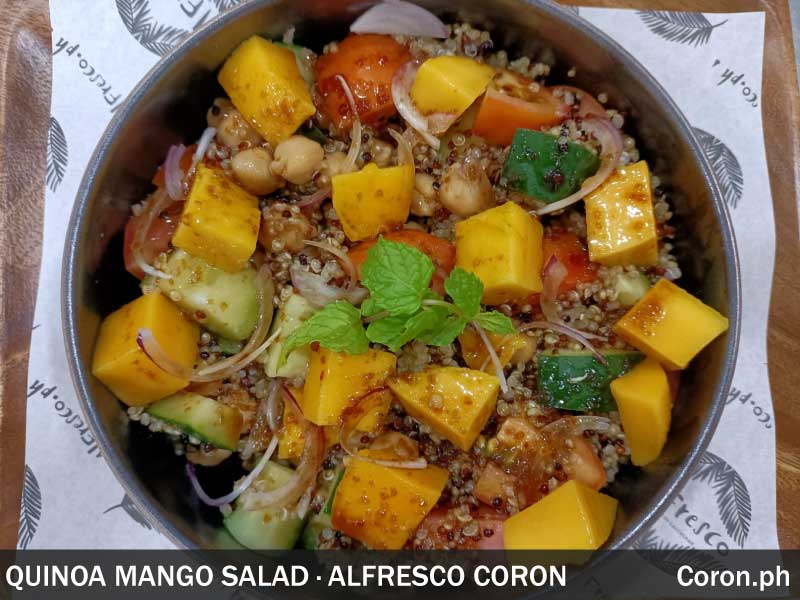
That said, there are encouraging signs of progress. Alfresco Coron stands out as the only restaurant in town to label all 14 major allergens on its menu, properly train its staff, maintain gluten-free zones in the kitchen, and outsource the production of gluten-containing items like burger buns or pasta, keeping them in a controlled environment until plating. This gives diners confidence and peace of mind. Similarly, Fresh Bites highlights which dishes contain gluten, a small but significant gesture that helps travelers make safer choices. Beyond these pioneers, some hotels and resorts are beginning to train their staff to understand dietary restrictions, ensuring that guests with allergies or intolerances are accommodated with care.
While Coron’s dining landscape is not yet fully friendly to gluten‑free travelers, these efforts show that awareness is growing. With preparation and by seeking out these establishments, visitors can enjoy the island’s hospitality without compromising their health.
The cultural Note
Filipinos take pride in feeding guests generously. While gluten intolerance isn’t widely understood, explaining it as an “allergy” helps. Locals may go out of their way to prepare safe meals once they know your restrictions. Anyway, always keep this checklist in mind:
- Double-check sauces and marinades.
- Stick to grilled, steamed, or boiled dishes.
- Carry emergency snacks.
- Use clear, simple Tagalog phrases. You can use your smartphone translator app.
- Treat "soy sauce" as your main red flag.
Final Thoughts: Enjoying Coron Without Worry
Being gluten-intolerant doesn’t mean missing out on Coron’s magic. With preparation, clear communication, and a few packed essentials, you can enjoy the island’s food and hospitality safely. Coron is about adventure, diving into lagoons, climbing viewpoints, and savoring sunsets. With this guide, you’ll dive into all of it, gluten-free and worry-free.
Table of Contents
Toggle