
What are the Expeditions Coron Linapacan El Nido?
Expeditions Coron to El Nido have become one of the most celebrated adventures in the Philippines. While most visitors know these towns as separate destinations, Coron for its shipwreck diving and El Nido for its dramatic limestone cliffs, the Expeditions Coron Linapacan El Nido that connect them are experiences in their own right.
They do not simply cross the sea; instead, they become multi‑day voyages that transform travel into living exploration of Palawan’s remote islands.
Moreover, expeditions usually last three to five days, depending on the operator and itinerary. Boats sail southward from Coron, weaving through dozens of islands scattered across the Calamianes and Linapacan groups before reaching El Nido. Along the way, travelers camp on deserted beaches, snorkel in coral gardens, and share meals with local fishing communities. Consequently, the sea itself dictates the rhythm—slow, unpredictable, and deeply immersive.
Furthermore, these expeditions stand out because of their hybrid character. They unite adventure, cultural immersion, and sustainability. Unlike luxury cruises, they require flexibility and curiosity: sleeping in beach huts or tents, eating freshly caught seafood, and adapting to the weather. Additionally, many operators highlight eco‑friendly practices, reducing plastic use and supporting local livelihoods. Therefore, the expeditions focus not only on reaching El Nido but also on embracing the journey as a transformative experience.
Calamianes Archipelago: The Playground of the Expeditions Coron Linapacan El Nido
The Calamianes archipelago, stretching between Coron and El Nido, is the natural playground of these expeditions. It is a vast scatter of islands, each with its own character: some crowned with jagged limestone cliffs, others fringed with powder‑white beaches, and many surrounded by coral reefs teeming with marine life.
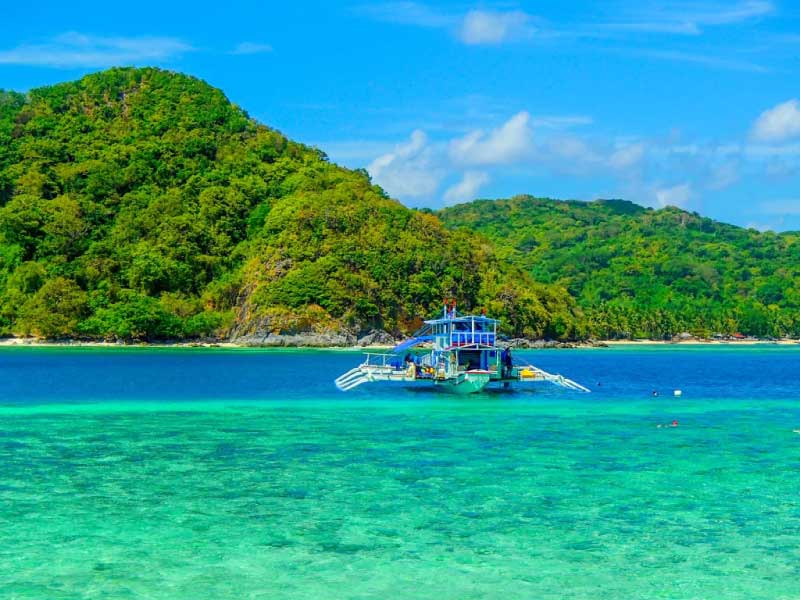
At the heart of this archipelago lies Linapacan, a municipality that includes more than 50 islands. Moreover, travelers often call Linapacan one of the world’s most beautiful island groups, thanks to crystal‑clear waters and untouched landscapes.
Unlike Coron and El Nido, which achieved international fame, Linapacan remains quiet, offering glimpses of Palawan before mass tourism. Additionally, surrounding islands—such as Cagdanao, Cabunlawan, and Patoyo—provide idyllic settings for camping and snorkeling. Expeditions often stop at these islands, allowing travelers to enjoy surreal water clarity, where visibility reaches nearly 30 meters.
Furthermore, coral gardens flourish here, supporting colorful fish, sea turtles, and occasional reef sharks. Linapacan also features small fishing villages where daily life revolves around the sea. Travelers frequently encounter locals drying fish, repairing nets, or guiding boats through shallow waters.
Consequently, these encounters enrich expeditions culturally, reminding visitors that Palawan’s beauty connects inseparably with its communities.
Difference Between Tours and Expeditions
First, travelers distinguish between day tours and multi‑day expeditions. In Coron and El Nido, day tours dominate as the most common way to explore nearby attractions.
They last only a few hours, follow fixed itineraries, and return travelers to town by evening. Moreover, tourists visit popular spots like Kayangan Lake in Coron or Big Lagoon in El Nido, often sharing experiences with dozens of boats. By contrast, expeditions last longer, move slower, and feel more immersive.
They avoid rushing from one highlight to another and instead embrace the unpredictability of the sea. Additionally, travelers sleep on remote islands, wake to sunrises over empty beaches, and spend evenings around bonfires beneath star‑filled skies. Consequently, expeditions create greater isolation and discovery compared to day tours, which remain tethered to urban comforts.
Another difference lies in the audience. Tours serve casual visitors seeking convenience and quick access to famous sites.
Meanwhile, expeditions attract adventurers craving authenticity and deeper connections with nature. They require flexibility, since itineraries may shift due to weather or tides.
In return, expeditions deliver experiences impossible in a single day: swimming in empty lagoons, sharing meals with locals, or camping on private‑like islands. In short, tours emphasize seeing Palawan’s highlights, while expeditions emphasize living Palawan’s rhythm. Ultimately, both hold value, but the expedition route between Coron and El Nido suits those who want the journey itself as destination.
The Bangkas Used for Expeditions
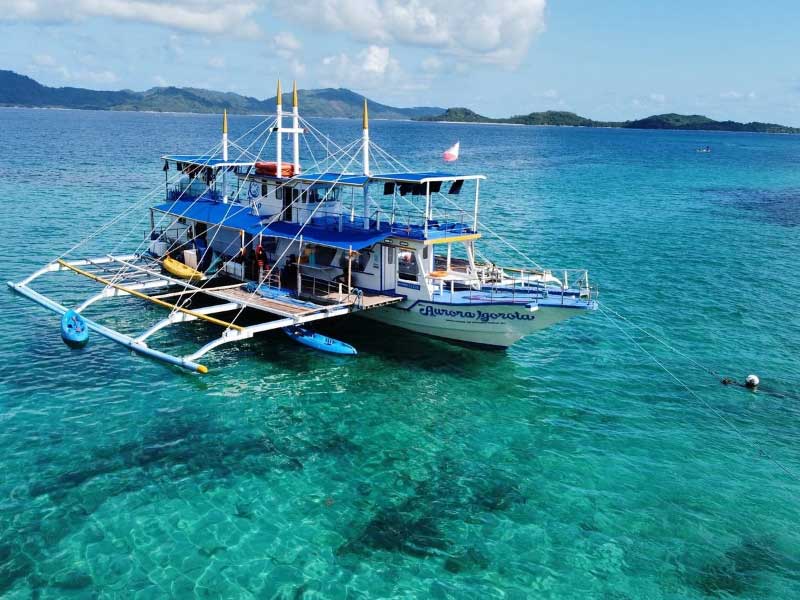
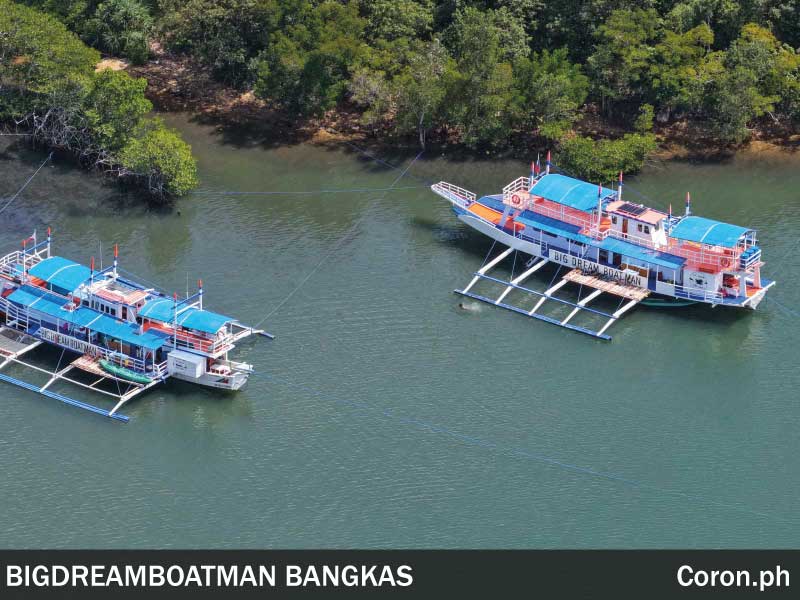
The vessels enabling these journeys are traditional bangkas, wooden outrigger boats that long supported Philippine maritime life. Moreover, bangkas stand out with slender hulls and bamboo outriggers, which provide stability across the open sea.
They are not luxury yachts; instead, they serve as practical, resilient boats designed to navigate shallow reefs and unpredictable waters. Additionally, expedition bangkas are larger than day‑tour versions, equipped with space for passengers, supplies, and crew. They often include shaded areas, simple seating, and storage for camping gear.
Some feature small kitchens for preparing meals, while others carry fishing equipment to catch fresh seafood along the way. Traveling by bangka forms part of the adventure.
The boats move at a leisurely pace, letting passengers watch islands drift by and feel the spray of the sea. Furthermore, the engine’s sound, bamboo outriggers’ creak, and dolphins racing alongside create sensory experiences connecting travelers to Palawan’s maritime traditions.
Bangkas also symbolize local resilience. For generations, communities used them for fishing, transport, and trade. By choosing expeditions relying on bangkas, travelers support local boatmen and their livelihoods.
Consequently, the boats become cultural icons embodying the relationship between Palawan’s people and the sea.
Conclusions
The Coron to El Nido expeditions are more than journeys across water; they are transformative experiences that reveal the essence of Palawan. They invite travelers to slow down, disconnect from modern routines, and immerse themselves in landscapes that remain among the most pristine in the world.
Through the Calamianes and Linapacan islands, adventurers discover coral gardens, hidden lagoons, and fishing villages that embody the harmony between nature and community. By contrasting tours with expeditions, it becomes clear that the latter offer a deeper, more authentic connection to the islands. And by traveling aboard traditional bangkas, participants not only reach their destination but also engage with the cultural heritage of the Philippines.
In an era when tourism often prioritizes speed and convenience, the Coron–El Nido expeditions remind us of the value of slow travel. They show that the journey itself can be the highlight, that beauty lies not only in famous landmarks but in the quiet moments of discovery along the way. For those willing to embrace unpredictability and simplicity, these expeditions offer something rare: a chance to experience Palawan as both a paradise and a living culture.
Table of Contents
Toggle