
Diving in Coron history
Coron, located in the northern reaches of Palawan’s Calamian Islands, has earned a reputation as one of the most captivating dive destinations in the Philippines and Southeast Asia. Its waters are a tapestry of history, geology, and ecology, offering divers an experience that transcends simple recreation. Diving Coron Wrecks is to immerse yourself in a living museum where World War II shipwrecks lie silently beneath the waves, coral gardens flourish in technicolor, and volcanic lakes challenge your senses with surreal thermoclines. Discover now the best Diving in Coron.
The town of Coron itself is modest, with rustic charm and a laid‑back atmosphere, but its surrounding seas are world‑class. Divers from across the globe flock here not only for the thrill of exploration but also for the sense of connection to both history and nature. The dive season typically runs from October to May, when visibility is at its best and seas are calm. With dive centers offering everything from beginner courses to advanced wreck penetration training, Coron caters to all skill levels. Yet beyond logistics, what makes Coron unique is the diversity of its underwater landscapes: wrecks, reefs, lakes, caves, and encounters with rare marine species.
Wreck Diving in Coron
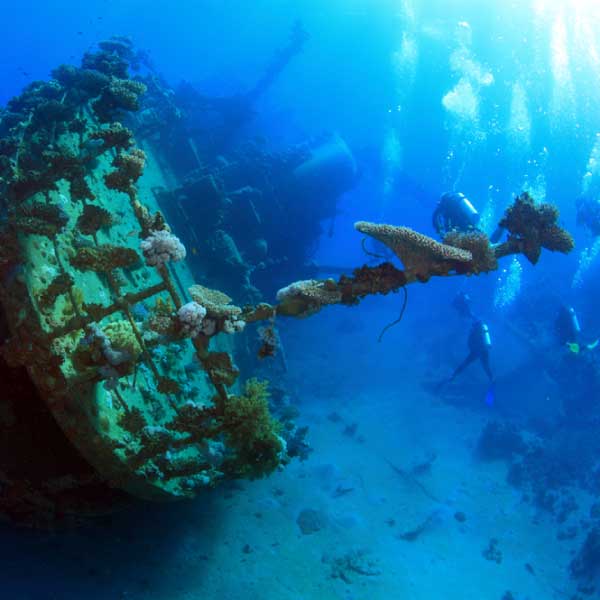
The crown jewel of Coron’s diving scene is its collection of World War II shipwrecks, sunk during a dramatic U.S. air raid on September 24, 1944. These Japanese supply ships, now resting at depths between 10 and 43 meters, have transformed into artificial reefs teeming with marine life. Each wreck tells a story, and exploring them feels like drifting through time.
Irako Maru: A refrigeration ship lying at around 40 meters, famous for its intact engine room and galley. Advanced divers relish the challenge of penetrating its dark corridors, where groupers and lionfish lurk.
Akitsushima: A seaplane tender, one of the most iconic wrecks in Coron. Its anti‑aircraft guns and machinery remain visible, while schools of barracuda patrol its decks.
Olympia Maru: A massive freighter with wide open holds, perfect for intermediate divers. Batfish and snappers often accompany visitors here.
Lusong Gunboat: Shallow and beginner‑friendly, this wreck is accessible even to snorkelers. Coral growth has overtaken its structure, making it a vibrant reef as well as a historical site.
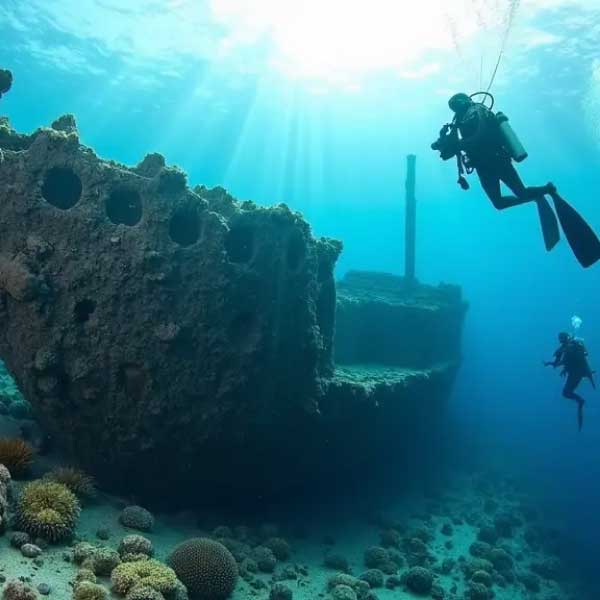
Diving Coron Wrecks is not just about steel and rust—it’s about the interplay of history and ecology. Coral polyps colonize rivets, sponges drape over beams, and fish weave through cargo holds. The wrecks have become sanctuaries, proving how nature reclaims human artifacts. For divers, the sensation of swimming through a sunken ship is both eerie and exhilarating, a reminder of the fragility of human endeavors against the vastness of the sea.
Coral Diving in Coron
While Diving Coron Wrecks gets the best reputation reputation, its coral reefs are equally enchanting. Sites like Sangat Coral Garden, Twin Peaks Reef, and Malcapuya Island showcase the Philippines’ famed biodiversity. Here, divers encounter kaleidoscopic coral formations, from branching staghorn to massive brain corals, all alive with reef fish.
Coral diving in Coron is a sensory feast. Parrotfish crunch on coral, clownfish dart among anemones, and nudibranchs display neon colors against the reef backdrop. Macro photographers delight in spotting pygmy seahorses and ornate ghost pipefish, while wide‑angle enthusiasts capture sweeping vistas of coral walls. Visibility often reaches 20–30 meters, allowing divers to fully appreciate the scale of these ecosystems.
Beyond beauty, coral diving in Coron underscores the importance of conservation. The reefs are vulnerable to climate change, overfishing, and careless tourism. Dive operators emphasize responsible practices: maintaining buoyancy to avoid contact, refraining from touching marine life, and supporting local conservation initiatives. For divers, the experience is not only recreational but also educational, fostering respect for the delicate balance that sustains reef ecosystems.
Other Diving Adventures
Coron’s uniqueness lies in its diversity, and beyond wrecks and reefs, it offers extraordinary experiences that few destinations can match.
Dugong Diving: Dugongs, or sea cows, are gentle marine mammals related to manatees. Coron is one of the rare places in the Philippines where they can still be seen. Diving or snorkeling in areas like Dimakya Island may grant encounters with these elusive creatures grazing on seagrass beds. Observing a dugong is a humbling experience, reminding divers of the fragility of marine biodiversity and the importance of protecting endangered species.
Barracuda Lake: Perhaps Coron’s most surreal dive, Barracuda Lake is a volcanic crater filled with brackish water. Its defining feature is the dramatic thermocline, where water temperatures shift abruptly from cool layers to nearly 38°C warmth. Diving here feels like swimming through invisible curtains. The lake’s jagged limestone walls add a mystical atmosphere, and while marine life is sparse, the geological wonder makes it unforgettable.
Cathedral Cave: Another highlight, this cavern dive features shafts of sunlight piercing through openings, creating a cathedral‑like glow. It’s a favorite for adventurous divers and underwater photographers.
These experiences expand Coron’s appeal beyond wreck enthusiasts. They showcase the region’s geological diversity and its role as a sanctuary for rare species. Together, they make Coron not just a dive destination but a holistic adventure into nature’s creativity.
Closing Thoughts
Diving in Coron, Palawan, is more than a sport, it is a journey through history, ecology, and wonder. From the Diving Coron Wrecks of World War II to the vibrant coral gardens, from encounters with dugongs to surreal dives in volcanic lakes, Coron offers a spectrum of experiences unmatched in Southeast Asia. Each dive site tells a story: of war and peace, of destruction and renewal, of human heritage and natural resilience.
For divers, Coron is a place of discovery and reflection. It challenges skills, rewards curiosity, and inspires respect for the ocean. For the local community, it is a source of livelihood and pride, tied to both indigenous heritage and global recognition. For the environment, it is a fragile treasure that demands protection.
Whether you are a seasoned wreck explorer, a reef enthusiast, or a traveler seeking unique adventures, Coron invites you to immerse yourself in its waters. To dive here is to connect with history, to marvel at biodiversity, and to embrace the profound truth that beneath the waves lies a world as rich and complex as our own. Coron is not just a destination—it is a reminder of the ocean’s power to preserve, transform, and inspire.
Table of Contents
Toggle