
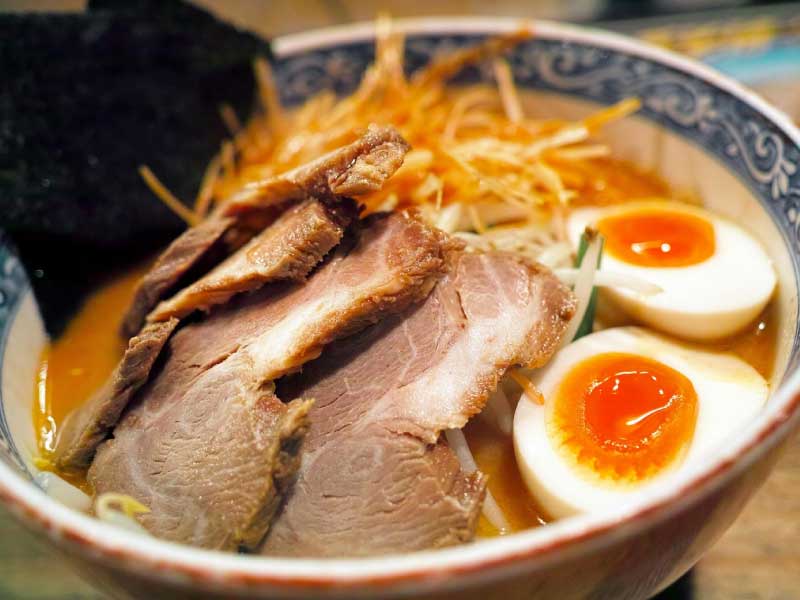
The hook, asian food in Coron
Coron, one of Palawan’s gems in the Philippines, is famous for its turquoise lagoons, striking limestone cliffs, and top-notch diving spots. But beyond its natural beauty, it has also evolved into a culinary melting pot where Asian food in Coron traditions meet. With tourism on the rise, chefs, restaurateurs, and travelers from across Asia have brought their flavors to town, leaving a delicious mark on the local dining scene that shines in Coron’s best restaurants.
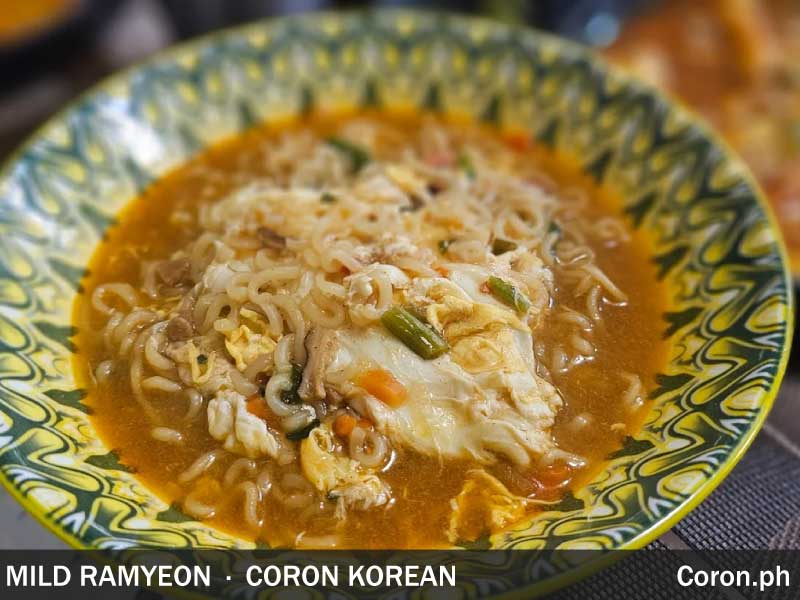
For visitors, this means that Coron offers not only Filipino specialties but also a vibrant spectrum of Asian cuisines. From Chinese dim sum to Japanese ramen, Korean barbecue, and Southeast Asian curries. Asian food in Coron reflects both authenticity and adaptation: Dishes are often prepared with locally available seafood, tropical produce, and spices, creating unique versions that blend tradition with island freshness. Exploring Asian food here is not just about eating; it’s about experiencing how diverse cultures meet and harmonize in a tropical paradise.
Influence of Chinese Food and Sample Dishes
Chinese cuisine strongly shapes Filipino food culture, and Coron reflects this enduring influence. Historically, the Chinese community drove trade and migration, introducing ingredients, cooking techniques, and dishes that became staples. In Coron, family-run eateries and hotel restaurants serve Chinese food, offering comforting flavors to locals and tourists alike. Moreover, noodle dishes stand out as popular contributions, with chow mein and chow fan widely available. Chefs often cook them with fresh seafood like prawns, squid, or lapu-lapu, enhancing their appeal. Additionally, pancit canton, a Filipino-Chinese hybrid, delights diners with stir-fried noodles, soy sauce, vegetables, and meat or seafood. Dumplings and dim sum also appear, with steamed siomai becoming a common snack in small eateries. Sweet-and-savory Cantonese flavors resonate deeply with Filipino palates, creating dishes that feel both familiar and exciting. For instance, sweet and sour fish or lemon chicken adapt local catch and tropical citrus to classic recipes. Meanwhile, hotpot restaurants gain popularity, inviting diners to cook vegetables, tofu, and seafood in simmering broths. This communal dining style fits seamlessly with Filipino hospitality, encouraging warmth and shared enjoyment. Chinese food in Coron emphasizes accessibility as much as authenticity, offering comfort to Asian travelers and locals. Consequently, it introduces flavors that now form part of Filipino culinary identity, blending tradition with everyday dining. Ultimately, the influence remains subtle yet enduring, shaping how Coron’s kitchens balance salt, soy, and sweetness.
Influence of Japanese Food and Sample Dishes of the Asian Food in Coron
Korean cuisine leaves a bold mark in Coron, driven by global fame and growing Korean tourism. Moreover, restaurants welcome groups, offering communal dining that highlights Korean food’s inherently social character. Korean barbecue emerges as the most iconic influence, inviting diners to grill meats directly at their tables. Guests savor bulgogi or samgyeopsal, pairing them with banchan side dishes to create a vibrant, flavorful spread. Meanwhile, kimchi stays essential, often crafted locally with calamansi or native chili peppers for a Filipino twist. Additionally, spicy stews and soups appear frequently, warming divers after long adventures in Coron’s refreshing waters. Kimchi jjigae and soondubu jjigae comfort travelers who crave hearty meals with bold, spicy flavors. Furthermore, Korean fried chicken, double-fried and sweet-spicy glazed, excites younger diners while blending with Filipino preferences. Korean food in Coron highlights interaction, encouraging grilling, plate sharing, and sampling of diverse side dishes. This lively atmosphere connects with Filipino dining culture, strengthening relationships through joyful, shared meals. Consequently, it introduces locals and tourists to Korea’s philosophy of balancing spicy, sweet, sour, and savory. Ultimately, Korean cuisine enriches Coron’s dining scene, adding dynamic communal energy to the island’s culinary traditions.
Influence of Korean Food and Sample Dishes
Korean cuisine has made a strong impression in Coron, fueled by the global popularity of Korean culture — from K-pop to K-dramas — and the increasing number of Korean tourists visiting Palawan. Korean restaurants in Coron often cater to groups of travelers, offering communal dining experiences that mirror the social nature of Korean food. The most recognizable influence is Korean barbecue. Several establishments allow diners to grill marinated meats such as bulgogi (beef) or samgyeopsal (pork belly) at their tables, accompanied by an array of side dishes known as banchan. Kimchi, the iconic fermented cabbage, is a staple, often prepared locally with a Filipino twist by incorporating calamansi or native chili peppers. Spicy stews and soups also feature prominently. Kimchi jjigae (kimchi stew) and soondubu jjigae (soft tofu stew) are popular among those seeking warmth after diving excursions. Korean fried chicken, with its crispy double-fried coating and sweet-spicy glaze, has become a hit among younger diners, blending well with Filipino tastes for bold flavors. Korean food in Coron emphasizes interaction and sharing. The act of grilling, passing plates, and sampling multiple side dishes creates a lively atmosphere that resonates with Filipino dining culture. It also introduces locals and tourists to the Korean philosophy of balancing flavors — spicy, sweet, sour, and savory — in every meal. This influence enriches Coron’s food scene by adding a dynamic, communal dimension.
Influence of Other Southeast Asian Countries (Thailand, Vietnam, Malaysia, etc.)
Beyond the major East Asian cuisines, Coron’s culinary landscape also embraces flavors from Southeast Asia. These influences are less widespread but increasingly visible as tourism diversifies and adventurous eaters seek new experiences.
Thai cuisine is particularly popular, known for its bold interplay of sweet, sour, salty, and spicy flavors. Dishes like pad thai (stir-fried noodles with shrimp, peanuts, and lime) and green curry appear in Coron’s menus, often adapted with local coconut milk and seafood. Tom yum soup, with its fragrant lemongrass and chili base, resonates with Filipino love for sour broths like sinigang, making it a natural fit.
Vietnamese food contributes lighter, herb-forward dishes. Fresh spring rolls (gỏi cuốn) filled with shrimp, rice noodles, and mint are refreshing snacks for beachgoers. Pho, the iconic noodle soup, is occasionally offered, though often localized with available herbs and spices. The Vietnamese emphasis on freshness and balance complements Coron’s tropical produce.
Malaysian and Singaporean influences are subtler but present in dishes like laksa, a spicy coconut-based noodle soup, and satay skewers served with peanut sauce. These flavors echo the shared culinary heritage of Southeast Asia, where coconut, chili, and aromatic spices dominate.
Together, these Southeast Asian cuisines expand Coron’s food identity beyond its Filipino roots. They provide travelers with a sense of regional diversity, showing how Coron serves as a microcosm of Asia’s culinary richness. For locals, experimenting with these dishes broadens horizons and fosters appreciation for neighboring cultures.
Conclusions
Asian food in Coron goes beyond tourism; it stands as a living testament to cultural exchange. The island’s dining scene reflects centuries of migration, trade, and globalization, blending Asian cuisines with Filipino classics. Chinese noodles, Japanese sushi, Korean barbecue, and Southeast Asian curries coexist alongside beloved local dishes. Each cuisine carries its philosophy: Korean warmth, Japanese precision, Chinese comfort, and Thai or Vietnamese vibrancy. Coron’s uniqueness lies in how these influences adapt to local seafood, fruits, and native spices. Fresh ingredients infuse authenticity with island character, creating flavors that feel both familiar and distinctly local. The result celebrates diversity while honoring tradition, offering creative fusion instead of simple replication. Travelers experience a journey across cultures without leaving Coron, tasting Asia through island bounty. Locals embrace culinary variety, showcasing Palawan’s richness in new and exciting ways. Asian food enriches Coron’s identity, transforming dining into a cultural experience of connection. Food becomes more than nourishment; it bridges peoples and celebrates shared heritage. In Coron, every bite tells a story of adaptation, tradition, and joy across borders.
Table of Contents
Toggle