
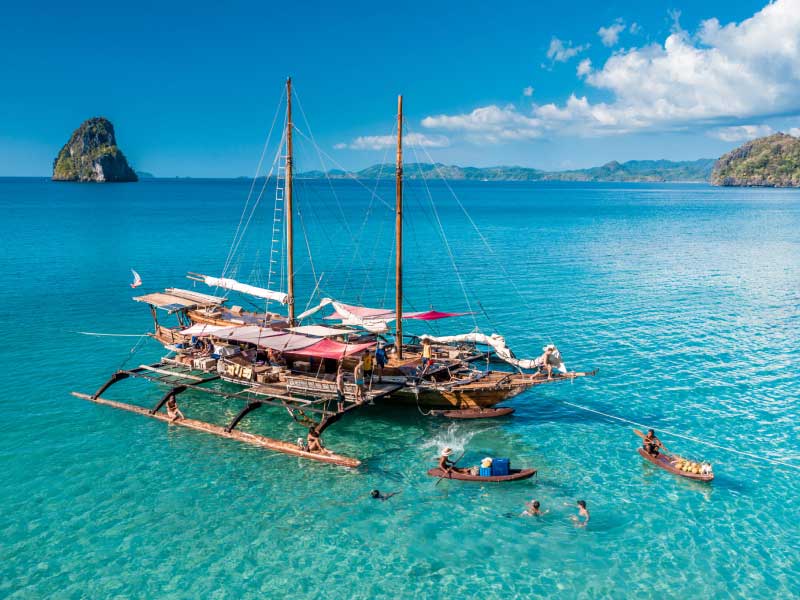
Before diving into travel plans, it is essential to understand what Coron truly is and how it is geographically structured. Many travelers mistakenly assume Coron is a single island, but it is actually a group of islands with distinct areas that serve different purposes for visitors. This section helps clarify Coron’s location, its relationship with Palawan, and why it has become one of the most sought-after destinations in the Philippines. By understanding its layout and appeal, travelers can better plan their itinerary and maximize their experience.
Table of Contents
ToggleWhere Coron Is Located
Coron is part of the Calamian Islands in northern Palawan. While many travelers refer to “Coron” as a single destination, it actually includes Coron Town on Busuanga Island and Coron Island itself, where most of the iconic lagoons and lakes are located. This distinction is important when organizing tours and accommodation.
Why Coron Is So Popular
Coron has gained global recognition for its pristine landscapes and rich marine biodiversity. It is especially famous for its turquoise lakes, limestone cliffs, and World War II shipwrecks. Unlike more commercialized destinations, Coron maintains a relatively untouched charm that appeals to travelers looking for authenticity.
Best Time to Visit Coron
Timing plays a crucial role in shaping the overall experience in Coron. Weather conditions, sea visibility, and tourist crowds can vary significantly throughout the year, directly impacting activities such as island hopping and diving. Understanding seasonal changes allows travelers to plan their trip more effectively and enjoy Coron at its best.
Weather and Seasons
The ideal time to visit Coron is during the dry season, from November to May. During these months, the weather is generally sunny, and the sea conditions are calm, making it perfect for outdoor activities.
The wet season, which runs from June to October, brings heavier rainfall and occasional storms. Although travel is still possible, tours may be canceled due to rough seas.
Peak vs Off-Peak Travel
Peak season typically falls between December and April. During this time, accommodation prices rise, and popular attractions become more crowded. Traveling during the off-peak season offers lower prices and fewer tourists, but weather conditions may be less predictable.
How to Get to Coron
Reaching Coron requires careful planning, especially for international travelers unfamiliar with the region. While the destination may seem remote, several transportation options make it accessible. Understanding these options helps travelers avoid unnecessary complications and begin their journey smoothly.
Flights and Transportation
The fastest way to reach Coron is by flying into Busuanga Airport. Regular flights operate from Manila and Cebu. From the airport, travelers must take a van transfer to Coron Town, which usually takes around 30 to 45 minutes.
Alternative Routes
Ferries are another option for reaching Coron, particularly from El Nido or Manila. While more affordable, ferry journeys are longer and depend heavily on weather conditions.
Accommodation Options in Coron
Choosing the right accommodation is essential for a comfortable stay in Coron. With options ranging from budget-friendly hostels to luxury resorts, travelers can find something that suits their preferences and budget. Understanding where to stay can significantly enhance the overall experience.
Types of Accommodation
Coron offers a wide variety of lodging options. Budget travelers can choose from guesthouses and hostels, while mid-range hotels provide additional comfort. Luxury resorts, often located on private islands, offer exclusivity and high-end amenities.
Where to Stay
Most visitors stay in Coron Town due to its accessibility to restaurants, shops, and tour operators. However, those seeking a quieter experience may opt for accommodations on nearby islands.
Island Hopping and Must-Visit Attractions
Coron is renowned for its breathtaking natural attractions, and exploring them is the highlight of any visit. Island hopping tours provide access to stunning locations that define the destination’s beauty. This section introduces the most iconic spots that travelers should not miss.
Coron Island Highlights
Kayangan Lake is often considered one of the cleanest lakes in Asia and offers spectacular panoramic views. Twin Lagoon provides a unique swimming experience between two enclosed lagoons. Barracuda Lake is known for its unusual temperature layers, attracting divers from around the world. Banol Beach is ideal for relaxation, with its white sand and clear waters.
Shipwreck Diving
Coron is also famous for its World War II shipwrecks, making it a top destination for diving enthusiasts. Several Japanese wrecks lie beneath its waters, offering a unique underwater experience. Even those who do not dive can enjoy snorkeling in shallower areas.
Budgeting for Your Trip
Proper budgeting ensures a stress-free travel experience in Coron. While it can be an affordable destination, costs vary depending on travel style and preferences. Understanding expected expenses helps travelers plan effectively and avoid overspending.
Daily Expenses
Budget travelers may spend between $30 and $50 per day, while mid-range travelers may spend between $70 and $150. Luxury travel can significantly exceed these estimates.
Tour Costs
Island hopping tours usually cost between $20 and $40 per person, including lunch and entrance fees. Private tours are more expensive but provide a more personalized experience.
Food and Dining in Coron
Food plays an important role in the overall travel experience, and the best restaurants in Coron offer a diverse culinary scene. From local Filipino dishes to international cuisine, visitors can explore a variety of flavors. Understanding what to expect helps travelers make the most of their dining experience.
Local Cuisine
Fresh seafood is a highlight in Coron, often grilled or prepared using traditional Filipino methods. Dishes such as kinilaw are popular among visitors seeking authentic flavors.
Dining Experience
Dining options range from simple local eateries to more upscale restaurants. Many establishments offer relaxed atmospheres and scenic views, enhancing the overall experience.
Practical Travel Tips
Traveling to Coron involves certain logistical considerations that visitors should be aware of. From managing cash to dealing with limited connectivity, preparation is key. This section provides essential tips to help travelers stay organized and comfortable throughout their trip.
Cash and ATMs
Cash is widely used in Coron, and many establishments do not accept credit cards. Although ATMs are available, they may run out of cash, so bringing enough money is advisable.
Internet and Connectivity
Internet access can be slow and unreliable, particularly outside Coron Town. Travelers should plan accordingly and avoid relying heavily on online services.
Health and Safety
Coron is generally safe for tourists. However, it is important to follow safety guidelines during activities, especially water-based tours.
Cultural Etiquette and Local Insights
Understanding local culture enhances the travel experience and fosters respectful interactions. Coron is home to welcoming communities with traditions that visitors should appreciate. This section highlights important cultural considerations for travelers.
Respecting Local Communities
Visitors are encouraged to respect local customs and traditions. Being polite and mindful of local practices helps create positive interactions.
Environmental Responsibility
Preserving Coron’s natural beauty is essential. Travelers should avoid littering, use eco-friendly products, and follow responsible tourism practices.
Packing Essentials for Coron
Packing appropriately can make a significant difference when visiting Coron. Due to its tropical environment and outdoor activities, certain items are essential for comfort and convenience. This section outlines what travelers should bring for a smooth experience.
What to Bring
Lightweight clothing, swimwear, sunscreen, and waterproof bags are essential. Snorkeling gear can be rented, but bringing personal equipment may be preferable.
Optional Items
Water shoes, dry bags, and reusable water bottles can enhance comfort and sustainability during the trip.
Final Thoughts
After exploring all aspects of visiting Coron, it becomes clear why it is considered one of the Philippines’ top destinations. Proper planning and awareness allow travelers to fully enjoy its beauty and unique experiences. This final section summarizes the key points and encourages thoughtful travel preparation.
Coron offers a remarkable combination of natural beauty, adventure, and cultural richness. With its stunning lagoons, vibrant marine life, and welcoming atmosphere, it provides an unforgettable experience. Travelers who prepare well and respect the environment will find Coron to be a truly rewarding destination.
Frequently Asked Questions About Visiting Coron
What is the best time to visit Coron?
The best time to visit Coron is during the dry season, from November to May. During these months, travelers can expect sunny weather, calm seas, and ideal conditions for island hopping and diving. March to May are the hottest months, while December to February offer slightly cooler temperatures.
How do you get to Coron?
Travelers typically reach Coron by flying into Francisco B. Reyes Airport (Busuanga Airport) from major cities like Manila or Cebu. From the airport, it takes around 30–45 minutes by van to reach Coron town. There are also ferry options from El Nido, although they take longer.
Do you need a visa to visit Coron?
Visa requirements depend on your nationality. Many travelers can enter the Philippines visa-free for short stays, usually up to 30 days. It is important to check the latest visa policies before traveling to ensure compliance with entry requirements.
Is Coron expensive for tourists?
Coron is considered a moderately priced destination. Accommodation ranges from budget hostels to luxury resorts, and food is generally affordable. Island hopping tours and diving activities are the main expenses but are considered good value for the experience.
What are the must-visit places in Coron?
Some of the most popular attractions include Kayangan Lake, Twin Lagoon, Barracuda Lake, and various WWII shipwreck dive sites. Island hopping tours are the best way to explore these natural wonders.
Is Coron safe for tourists?
Coron is generally safe for tourists. Locals are friendly and welcoming, and crime rates are low. However, travelers should still take standard precautions, such as safeguarding valuables and avoiding isolated areas at night.
What activities can you do in Coron?
Visitors can enjoy island hopping, snorkeling, scuba diving, kayaking, hiking, and hot spring visits. Coron is especially famous for its crystal-clear lakes and world-class wreck diving sites.
How many days do you need in Coron?
A stay of 3 to 5 days is ideal to fully experience Coron. This allows enough time for island hopping tours, relaxation, and exploring the town and nearby attractions.
Is internet and mobile signal reliable in Coron?
Internet in Coron can be slow and unreliable, especially on remote islands. Mobile signal is available in town but may be weak in certain areas. Travelers should not rely heavily on constant connectivity.
What should you pack for Coron?
Visitors should pack lightweight clothing, swimwear, reef-safe sunscreen, water shoes, a dry bag, and snorkeling gear if preferred. It is also advisable to bring cash, as ATMs can be limited.
Can you use credit cards in Coron?
Some hotels and restaurants accept credit cards, but many smaller establishments and tour operators only accept cash. It is recommended to carry enough Philippine pesos during your stay.
Is Coron better than El Nido?
Coron and El Nido both offer stunning landscapes, but they differ in experience. Coron is known for its diving spots and unique lakes, while El Nido is famous for its dramatic limestone cliffs and beaches. The choice depends on traveler preferences.
