
A traveler visiting Coron, Palawan, quickly discovers that the island offers more than just breathtaking lagoons and historic shipwrecks. The local food scene stands as a powerful reason to extend any trip, especially when exploring the best restaurants in Coron. These establishments have mastered the art of transforming fresh marine catches and native produce into unforgettable meals. Understanding the typical dishes served at the best restaurants in Coron allows any visitor to eat with confidence and cultural appreciation. From sour soups to grilled feasts, the flavors found at the best restaurants in Coron tell a story of tradition, resourcefulness, and a deep connection to the sea.
Table of Contents
ToggleThe Importance of Fresh Seafood in Coron
No discussion about food in Coron is complete without acknowledging the central role of seafood. The waters surrounding the island rank among the most biologically rich in the Philippines. Local fishermen head out before dawn each day, returning with nets full of tuna, squid, shrimp, crabs, and various reef fish. The best restaurants in Coron rely entirely on this daily catch. Menus change based on what arrives at the dock each morning. This commitment to freshness means a diner never eats frozen or imported seafood. Every bite reflects the ocean just a few hundred meters away. For the visitor, this translates into fish that tastes sweet, shellfish that pops with brine, and a dining experience that feels authentic to the place.
Grilled Seafood Platters as a Signature Experience At the best Restaurants in Coron
One of the most common and beloved presentations of seafood in Coron is the grilled platter. A typical meal begins with a selection of whole fish, squid, prawns, and sometimes crab, all cooked over hot charcoal. The heat caramelizes the natural sugars in the seafood while adding a gentle smokiness. The best restaurants in Coron season their grilled items simply, often with just salt, pepper, and a brush of oil. Squid receives special attention, usually stuffed with chopped tomatoes, onions, and lemongrass before hitting the grill. This stuffing keeps the flesh moist while infusing it with aromatic flavors. A whole fish like red snapper or tilapia develops crispy skin that peels away to reveal flaky, juicy meat. Diners eat this platter with their hands, pulling flesh from bones and dipping each piece into a small bowl of sawsawan, a traditional Filipino dipping sauce made from vinegar, calamansi juice, garlic, and chilies. The combination of smoky, sweet, sour, and spicy makes grilled seafood platter the quintessential Coron meal.
Sinigang na Isda as a Comfort Food Classic
Another typical dish that appears on almost every menu is sinigang na isda, a sour fish soup. Unlike heavy cream based soups, sinigang achieves its signature tang from tamarind or other souring agents like bilimbi or raw mango. The broth is clear yet intensely flavorful. The best restaurants in Coron prepare this soup by simmering fresh fish chunks with long beans, water spinach, radish, and okra. The vegetables add texture and absorb the sour broth beautifully. As the soup cooks, the tamarind slowly releases its acidity, creating a balance between sharp and savory notes. A diner typically pours the hot broth over steamed white rice, allowing the grains to soak up every drop. The heat of the soup opens the pores and awakens the taste buds. Locals consider sinigang a remedy for colds and a cure for low energy. For the traveler, it offers a warming introduction to Filipino sour flavors, which differ greatly from the sweet or spicy profiles found elsewhere in Southeast Asia.
Ginataang Seafood and the Creamy Side of Coron
Coconut milk plays a massive role in the cuisine of Coron. The island grows abundant coconuts, and local cooks extract rich, thick cream from mature nuts. One classic dish that showcases this ingredient is ginataang seafood, which translates to seafood cooked in coconut milk. The best restaurants in Coron prepare this dish by simmering shrimp, squid, or fish in a sauce made from coconut cream, ginger, garlic, onions, and green chilies. The coconut milk reduces slowly, thickening into a luscious gravy that clings to every piece of seafood. Unlike Indian curries, ginataan relies on just a few aromatics, allowing the coconut and seafood to shine. Some versions add bitter melon or squash for additional texture and flavor. Diners spoon this creamy sauce over rice, enjoying how the sweetness of coconut mellows the brininess of the sea. It is a rich dish, best eaten in moderation, but absolutely essential for anyone wanting to understand the full range of typical Coron flavors.
Kinilaw as the Local Version of Ceviche
No exploration of typical dishes would be complete without kinilaw, the Filipino answer to ceviche. This raw seafood salad appears on nearly every menu in Coron. The best restaurants in Coron take great pride in their kinilaw, often presenting it as an appetizer or pulutan, a dish meant to accompany drinks. Fresh tuna or tanigue, a type of Spanish mackerel, is cubed into bite sized pieces and marinated in calamansi juice and vinegar. The acid from the citrus and vinegar chemically cooks the fish, turning the flesh opaque and firm. Alongside the fish, the cook adds chopped red onions, ginger, tomatoes, and fresh chilies. Coconut milk may also be drizzled over the top for a creamier variation. The finished dish is bright, acidic, and slightly spicy. The contrast between the tangy marinade and the clean taste of raw fish delights the palate. Kinilaw must be eaten soon after preparation, as the acid continues to break down the fish over time. For this reason, the best restaurants prepare it to order, ensuring maximum freshness and texture.
Adobo with a Coron Twist At the best Restaurants in Coron
While adobo is a national dish of the Philippines, the version found in Coron carries unique characteristics. Traditional adobo stews meat in vinegar, soy sauce, garlic, and black pepper until tender. In Coron, however, cooks often substitute pork or chicken with seafood, creating adobong pusit or squid adobo. The best restaurants in Coron prepare this dish by cleaning small squid and simmering them in their own ink along with vinegar, garlic, and salt. The ink turns the sauce jet black and infuses it with a deep, briny flavor unlike any other adobo. Another common variation is adobong kangkong, where water spinach leaves are quickly cooked in the classic adobo sauce. For visitors who want to taste the familiar national dish while experiencing Coron’s local touch, adobong pusit stands out as a memorable choice. The squid becomes tender and absorbs the sharp vinegar tang perfectly. Eaten with rice, it offers a glimpse into how one recipe can transform across different islands.
Vegetable Dishes That Surprise and Satisfy
Despite the heavy focus on seafood, the best restaurants in Coron also serve excellent vegetable dishes. The island’s fertile soil produces leafy greens, gourds, and root crops that appear in many meals. One typical dish is law-uy, a simple vegetable soup that contains squash, okra, eggplant, moringa leaves, and sometimes shrimp paste for saltiness. Unlike sinigang, law-uy is not sour. Instead, its broth is light and savory, allowing the natural flavors of the vegetables to shine. Another common offering is ginisang ampalaya, or sautéed bitter melon. The cook stir fries sliced bitter melon with eggs, onions, and garlic, creating a dish that challenges and delights the palate. Bitter melon is an acquired taste, but many visitors grow to appreciate its complexity. A third vegetable staple is tortang talong, a grilled eggplant omelet. The cook chars the eggplant over an open flame, peels off the skin, and then flattens the flesh before dipping it in beaten egg and frying it. The result is smoky, soft, and satisfying, even for carnivores.
Rice as the Heart of Every Meal At the best Restaurants in Coron
A traveler cannot discuss typical dishes without acknowledging the importance of rice. Every meal in Coron revolves around a mound of steamed white rice. The best restaurants in Coron serve rice alongside every main dish, and diners are expected to mix bites of fish, meat, or vegetables with the rice on their spoon. Garlic rice, known as sinangag, is also common, especially during breakfast. However, for lunch and dinner, plain steamed rice remains the standard. The quality of the rice matters greatly. Good rice is fluffy, slightly sticky, and fragrant. It absorbs sauces and broths without turning mushy. Visitors who normally avoid rice at home quickly learn why it is indispensable here. The dishes are designed to be eaten with rice, balancing salty, sour, and rich flavors with the neutral grain. One could even argue that the rice is not a side dish but the main plate, with everything else acting as a complement.
Sweet Endings and Local Desserts
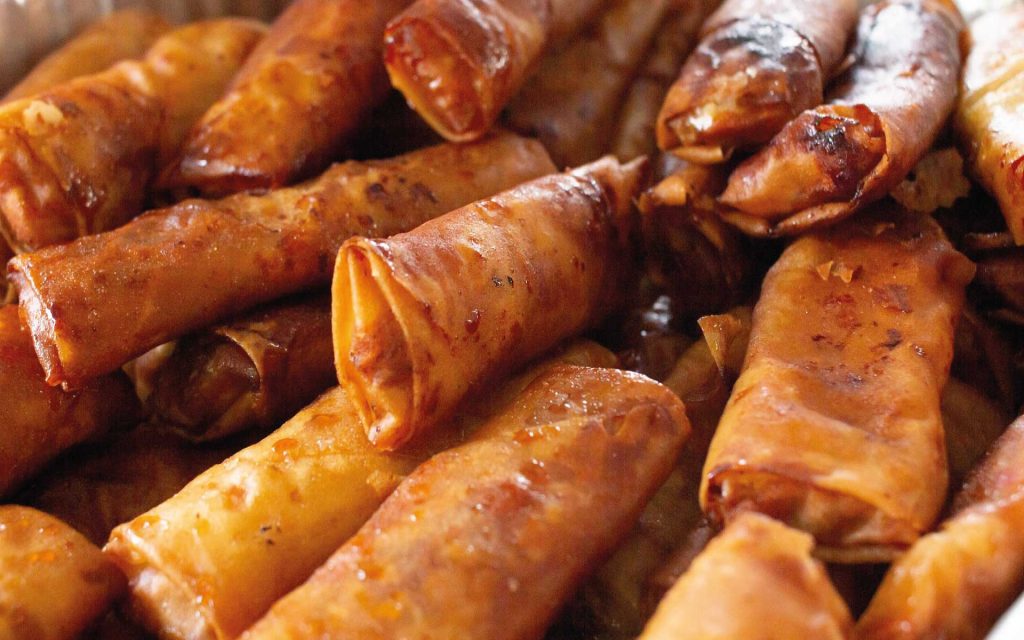
After a savory meal, the best restaurants in Coron offer desserts that highlight local ingredients. One typical sweet treat is halo halo, a shaved ice dessert that contains sweetened beans, coconut strips, jackfruit, leche flan, and purple yam jam, all topped with evaporated milk and often a scoop of ube ice cream. While halo halo exists throughout the Philippines, the version in Coron often includes local caramelized bananas or fresh mango. Another popular dessert is turon, a fried spring roll filled with ripe saba bananas and jackfruit, then coated in brown sugar that caramelizes into a crunchy shell. For something simpler, a diner might order fresh sliced mangoes or young coconut meat served in its own shell. These desserts provide a cool, sweet finish to a spicy or savory meal. Many visitors find themselves craving turon long after leaving the island.
Beverages That Complement the Meal At the best Restaurants in Coron
No meal in Coron is complete without a proper drink. The best restaurants in Coron serve fresh calamansi juice, made from a small native citrus that resembles a lime. This juice is sweetened slightly with sugar and served over ice. Its tangy, refreshing character cuts through rich foods like ginataan or grilled pork. Another local favorite is buko juice, which is water taken directly from a young green coconut. The server may even offer the soft coconut flesh as a snack afterward. For those seeking something stronger, many establishments serve rum and cola or local beers like San Miguel Pale Pilsen. The combination of kinilaw and a cold beer is a classic pairing that locals and tourists both enjoy. Fresh fruit shakes made from mango, watermelon, or pineapple are also widely available and offer a healthy, delicious alternative.
Eating Like a Local in Coron
To truly appreciate typical dishes, a visitor should adopt local eating habits. The best restaurants in Coron often serve meals kamayan style, meaning without utensils. A diner uses their right hand to scoop rice and press it together with a piece of fish or meat. This tactile approach connects the eater more directly to the food. Additionally, locals rarely order individual plates. Instead, they share several dishes across the table, placing everything in the center for everyone to enjoy. This communal style encourages conversation and variety. A first time visitor might feel nervous eating with their hands, but after one meal, the anxiety fades. The flavors seem brighter, the experience more authentic. Observing how locals mix a spoonful of soup with their rice or squeeze calamansi over grilled fish teaches valuable lessons about maximizing flavor.
Why These Dishes Define At the best Restaurants in Coron
The typical dishes found at the best restaurants in Coron are not random. They emerge from the island’s geography, climate, and history. Being surrounded by rich fishing grounds means seafood dominates. Having abundant coconut trees makes coconut milk a staple. The Spanish influence explains the popularity of adobo and leche flan. The tropical heat explains the craving for sour, refreshing soups like sinigang and kinilaw. Every dish has a reason for existing. For the thoughtful traveler, eating these meals offers a form of cultural education. The tongue learns what the land and sea provide. The stomach remembers the generosity of the local people. And the mind understands that Coron’s beauty extends below the water, above the limestone cliffs, and inside every steaming bowl of soup served at a simple wooden table.
Final Thoughts on Dining At the best Restaurants in Coron
Any visitor who spends time exploring the typical dishes at the best restaurants in Coron will leave with more than just photographs. They will carry memories of smoky grilled squid, sour tamarind broth, creamy coconut curries, and tangy raw fish salads. These flavors will linger on the palate and in the imagination. The best restaurants in Coron do not rely on gimmicks or fusion trends. They focus on doing simple things well, using fresh ingredients and traditional techniques. For the traveler who wants to eat well, the advice is simple: order the grilled seafood, try the sinigang, do not skip the kinilaw, and always have extra rice. By following these guidelines, any diner will taste the true soul of Coron. The island gives generously of its waters, and the restaurants return that gift in the form of meals that satisfy deeply. Bon appetit, or as locals say, kain na.
