
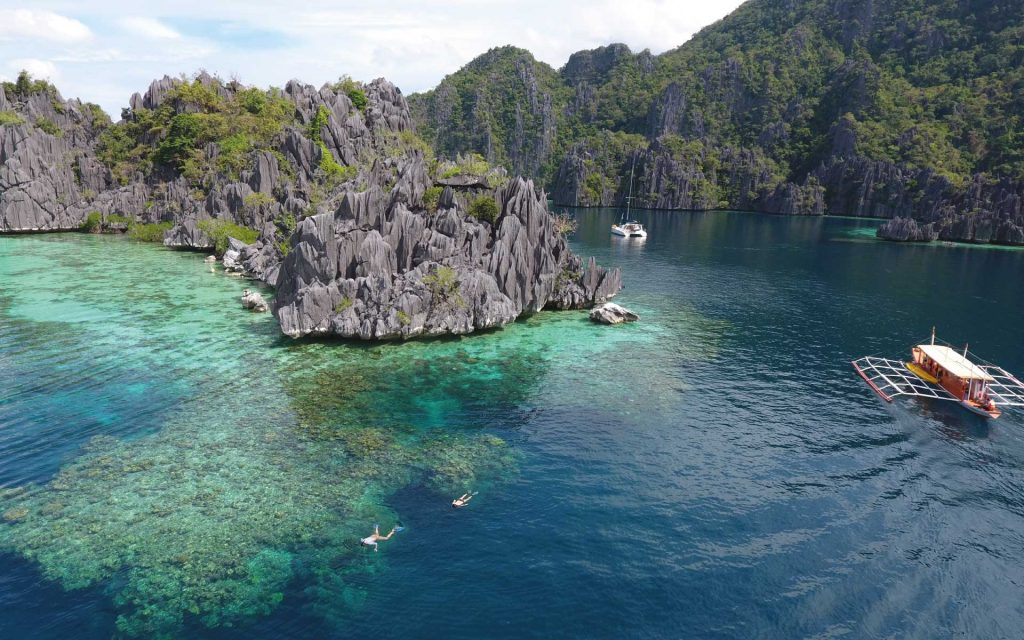
Coron, located in the northern part of Palawan, Philippines, has earned a reputation as one of the most stunning island destinations in the world. With its turquoise lagoons, white sandy beaches, dramatic limestone cliffs and the best restaurnats in coron where attracts travelers seeking both adventure and tranquility. This comprehensive travel guide is designed to provide everything visitors need to plan an unforgettable journey to this tropical paradise.
Table of Contents
ToggleWhy Coron Should Be on Every Traveler’s List
Coron offers a rare combination of natural beauty and cultural charm. Its pristine waters, rich marine biodiversity, and historical significance make it a unique destination. Travelers are often captivated by the clarity of its lakes, the abundance of coral reefs, and the serene atmosphere that contrasts with more crowded tourist hubs in the Philippines. Coron is also home to indigenous communities, providing visitors with authentic cultural experiences that enhance their understanding of the region.
Visitors to Coron find that the islands offer more than just picturesque scenery. From diving into World War II shipwrecks to exploring hidden lagoons accessible only by boat, there is no shortage of adventure. Moreover, Coron’s compact size allows travelers to experience multiple attractions in a short period, making it perfect for both quick getaways and extended stays.
Planning Your Trip: Best Time to Visit
Timing is crucial when planning a trip to Coron. The dry season, typically from November to May, offers the most favorable weather, with calm seas and sunny skies ideal for island hopping and diving. During these months, visitors can fully enjoy outdoor activities, including snorkeling, kayaking, and exploring inland lakes.
The rainy season, from June to October, brings occasional storms and rough seas, which can affect ferry schedules and outdoor plans. However, traveling during this period has its advantages, such as fewer tourists and lower accommodation rates. For travelers seeking peace and solitude, the off-season can provide a more private and serene experience.
How to Get to Coron
Reaching Coron is relatively straightforward, although options may vary depending on the traveler’s starting point. The most common way to access the island is via Coron Busuanga Airport, which receives domestic flights from Manila, Cebu, and other major Philippine cities. Upon arrival, travelers can take a short van or tricycle ride to the town proper or their accommodation.
For those who prefer maritime travel, ferries operate between Coron and nearby destinations such as El Nido, Puerto Princesa, and other parts of Palawan. Although the ferry journey is longer than flying, it provides a scenic route with opportunities to appreciate the islands from the water.
Travelers are advised to book flights or ferries in advance, especially during the peak season, to secure the best schedules and prices. Airport transfers and local transport can also be arranged through hotels or travel agencies for added convenience.
Accommodation Options in Coron
Coron offers a wide range of accommodation choices to suit different budgets and preferences. Luxury resorts cater to travelers seeking comfort, privacy, and premium amenities, often featuring beachfront villas, infinity pools, and spa services. These resorts are ideal for honeymooners, families, or anyone looking for a high-end retreat.
Mid-range hotels and guesthouses provide a balance of affordability and comfort, offering clean rooms, essential amenities, and easy access to the town center. These options are popular among couples and solo travelers who want convenience without a hefty price tag.
Budget accommodations, including hostels and homestays, are available for backpackers and travelers looking for a more immersive experience. Staying with local hosts can offer cultural insights, home-cooked meals, and unique stories about life in Coron.
Exploring Coron: Must-Visit Attractions
Island Hopping and Lagoons
Island hopping is the highlight of any trip to Coron. Travelers can explore various islands and hidden lagoons, each offering distinct natural beauty. Kayangan Lake is often regarded as the clearest lake in the Philippines, with its striking limestone cliffs and crystal waters providing a perfect spot for swimming and photography.
Barracuda Lake, with its unique thermocline layers, attracts divers seeking a different underwater experience. The surrounding islands, many of which remain largely untouched, offer opportunities for snorkeling, relaxing on quiet beaches, and discovering small coves accessible only by boat.
Diving and Shipwreck Exploration
Coron is renowned worldwide for its World War II shipwrecks, which lie just off the coast in accessible depths. These wrecks have become artificial reefs, teeming with marine life and attracting divers from around the globe. Popular sites include the Irako, Okikawa Maru, and Akitsushima wrecks, each with its own story and underwater scenery.
Diving operators provide guided tours for beginners and experienced divers alike, ensuring safety and an informative experience. Even non-divers can enjoy snorkeling near some wrecks, observing the vibrant marine ecosystem just beneath the surface.
Inland Adventures
Beyond the water, Coron offers inland adventures such as hiking to mountain viewpoints, exploring waterfalls, and visiting hot springs. Maquinit Hot Springs provides a relaxing soak amidst natural surroundings, while Mount Tapyas offers panoramic views of the islands and town. Hiking enthusiasts and nature lovers will find that Coron’s landscapes extend far beyond its beaches, providing varied experiences for all types of travelers.
Food and Dining in Coron
Coron’s culinary scene reflects its coastal location and cultural heritage. Seafood dominates menus, with fresh catches such as tuna, grouper, and shrimp prepared in traditional Filipino styles. Local dishes like kinilaw, a ceviche-style preparation, and adobo, a marinated meat dish, are must-tries for any visitor seeking authentic flavors.
Restaurants and cafes range from casual eateries serving comfort food to high-end establishments offering fusion cuisine. Many dining spots boast ocean views, allowing travelers to enjoy picturesque sunsets alongside their meals. Additionally, local markets provide opportunities to taste street food and purchase ingredients for those staying in accommodations with kitchen facilities.
Practical Tips for Travelers
Transportation and Getting Around
Travelers in Coron typically rely on tricycles, motorcycles, or private vans to move between attractions. Renting a scooter can provide flexibility and freedom, especially for visiting remote spots. For island hopping, hiring a boat with a guide ensures safety and maximizes the number of destinations visited.
Safety and Health
Coron is generally safe for tourists, though travelers should exercise common precautions such as securing valuables and staying aware of their surroundings. Health considerations include staying hydrated, applying sunscreen, and taking measures to prevent mosquito bites. Diving and swimming activities should always be done under professional guidance.
Respecting Local Culture
Visitors are encouraged to respect local customs and environmental regulations. Littering is prohibited, and interactions with indigenous communities should be conducted with sensitivity and respect. Supporting local businesses not only enhances the travel experience but also contributes positively to the community.
Packing Essentials for Coron
Packing for Coron requires preparation for both tropical weather and adventure activities. Essentials include lightweight clothing, swimwear, water shoes, snorkeling gear, sunscreen, insect repellent, and a waterproof bag for valuables. Cameras or waterproof action cameras are highly recommended for capturing the breathtaking landscapes and underwater scenes.
Travelers planning diving excursions should check if their equipment can be rented locally, as many dive shops provide rental options. For multi-day trips or island-hopping adventures, carrying a dry bag and portable power bank ensures comfort and convenience throughout the journey.
Why Coron Remains Unforgettable
Coron continues to captivate travelers with its combination of natural beauty, rich history, and cultural depth. Whether exploring hidden lagoons, diving among shipwrecks, or savoring fresh seafood while watching the sunset, every moment in Coron offers an experience that lingers long after the journey ends. The island’s charm lies in its ability to offer adventure and relaxation, privacy and social connection, history and natural wonder—all within a relatively compact and accessible area.
For travelers seeking an unforgettable escape, Coron provides the perfect balance of excitement, serenity, and discovery. With careful planning, an open mind, and respect for local culture, every visitor can experience the magic of Coron in its fullest expression.
Frequently Asked Questions: The Ultimate Travel Guide to Coron
Where is Coron located?
Coron is located in the northern part of Palawan in the Philippines. It belongs to the Calamian Islands and is famous for its stunning limestone landscapes, crystal-clear lakes, and vibrant marine life.
What is Coron known for?
Coron is best known for its world-class diving spots, especially WWII shipwrecks, as well as iconic attractions like Kayangan Lake, Twin Lagoon, and Barracuda Lake. It is also popular for island hopping and snorkeling.
What is the best time to visit Coron?
The best time to visit Coron is during the dry season from November to May. Travelers can expect sunny weather, calm seas, and ideal conditions for outdoor activities like diving and island hopping.
How do you get to Coron?
The easiest way to reach Coron is by flying to Busuanga Airport from Manila or Cebu, followed by a 30–45 minute transfer to Coron town. Ferries are also available from El Nido.
How many days should you spend in Coron?
Most travelers spend between 3 to 5 days in Coron. This allows enough time to explore the main attractions, go island hopping, and enjoy some relaxation.
What are the top things to do in Coron?
Top activities include island hopping tours, snorkeling, scuba diving, visiting Kayangan Lake, exploring Twin Lagoon, hiking Mount Tapyas, and relaxing in Maquinit Hot Springs.
Is Coron safe for tourists?
Yes, Coron is generally safe for tourists. The locals are friendly, and crime rates are low. However, it is always advisable to follow basic safety precautions.
Is Coron expensive?
Coron is moderately priced. Budget travelers can find affordable accommodations and food, while luxury resorts and private tours are also available for higher budgets.
What should you pack for Coron?
Travelers should pack lightweight clothing, swimwear, reef-safe sunscreen, water shoes, a dry bag, and snorkeling gear. Bringing cash is also important due to limited ATMs.
Can you use credit cards in Coron?
Some hotels and restaurants accept credit cards, but many smaller establishments only accept cash. It is recommended to carry enough Philippine pesos.
Is internet available in Coron?
Internet is available in Coron town but can be slow and unreliable, especially in remote islands. Travelers should not depend heavily on a stable connection.
What is the difference between Coron and El Nido?
Coron is known for its lakes and diving sites, while El Nido is famous for its dramatic limestone cliffs and beaches. Both destinations offer unique experiences.
Are there luxury resorts in Coron?
Yes, Coron offers a range of luxury resorts, especially on private islands, providing high-end amenities, stunning views, and exclusive experiences.
Do you need to book tours in advance?
It is recommended to book tours in advance during peak seasons to secure availability and better prices. However, last-minute bookings are often possible during low season.
Is Coron good for families?
Yes, Coron is a family-friendly destination. Many activities, such as island hopping and beach visits, are suitable for all ages, although some tours may require supervision for young children.
